All Articles

Latest Insights

A small statue of Lady Justice holding scales, with a person seated in soft focus in the background
Expert Witness Process

Testifying Expert vs. Consulting Expert: Why the Distinction Changes What's Discoverable

Whether a construction expert is retained to testify or only to consult changes what opposing counsel can discover about their work, sometimes significantly. The distinction is a strategic decision made at the outset of an engagement, not a formality.

Read the article
A building inspector with a clipboard examining a newly installed window inside a home under construction
Methodology

Why ASTM Standards Matter in a Forensic Construction Investigation

A finding is only as strong as the method behind it. ASTM standards give forensic construction investigations a repeatable, industry-recognized basis, the same foundation that holds up when a report is challenged.

Read the article
Two people reviewing a large rolled-out construction plan on a table, hands pointing to details
Construction Management

Critical Path Method Scheduling and Why Delay Claims Depend On It

A delay claim without Critical Path Method scheduling behind it is an assertion, not evidence. What CPM scheduling actually does and why AACE International's forensic schedule analysis framework is what courts and experts rely on to evaluate it.

Read the article
Aerial view of a Florida coastline lined with high-rise condominium buildings
State Guides

Florida's SIRS and Reserve Funding Deadlines: What Changed for Condo Boards in 2026

Florida's condo safety laws kept moving in 2026: the SIRS deadline shifted, reserve waivers for structural components ended and insurers started tying coverage directly to compliance. What changed and what it means for boards, owners and buyers.

Read the article
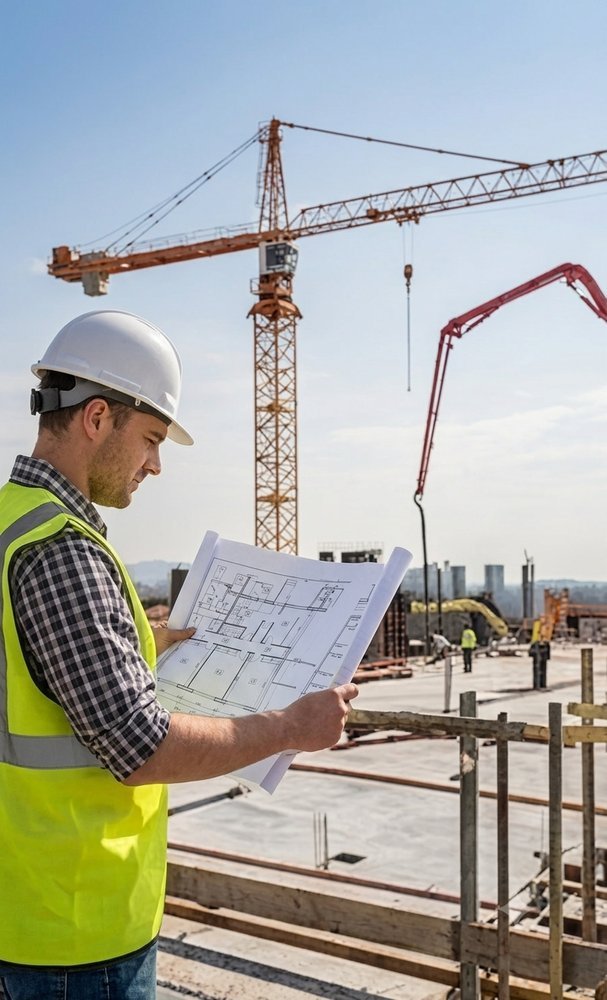
Construction professional reviewing blueprints at an active job site with a crane and concrete pump in the background
Expert Witness Process

What to Expect From a Conflict Check Before Retaining a Construction Expert

A construction expert's conflicts run through prior project involvement, financial relationships and professional history — not just a standard attorney-conflicts database. Here's what actually gets checked, and why it belongs before any case facts are shared.

Read the article
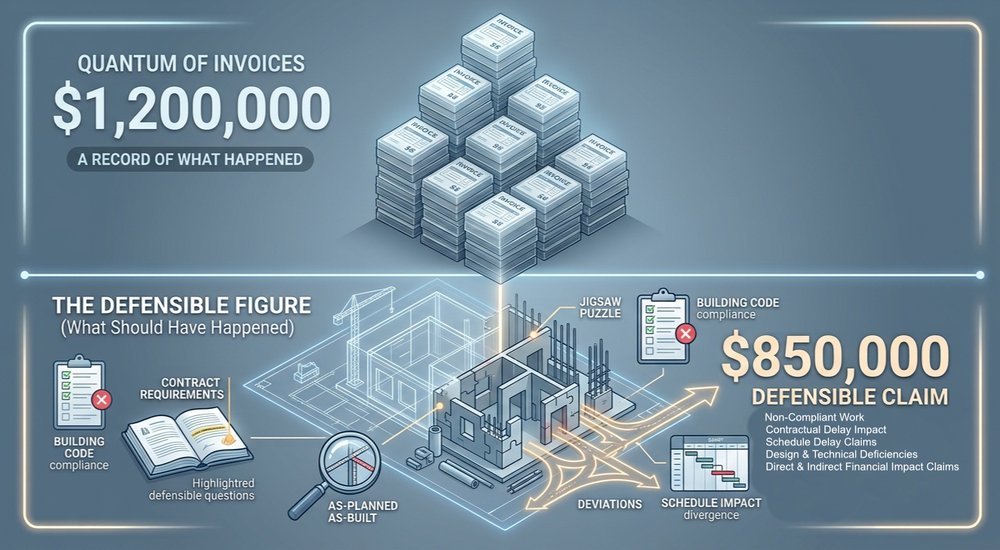
Infographic comparing a raw invoice total against a defensible, code-and-contract-supported damage claim
Methodology

The “Quantum” Approach to Construction Damage Valuation

A damages figure built from invoices alone is a record of what happened. The harder, more defensible question is what should have happened under the contract and code — and where the two diverge.

Read the article
Attorney reviewing a forensic engineering report in an office setting
Expert Witness Process

Reading a Forensic Report — What Attorneys Should Look For Before Deposition

A forensic report is what a deposition actually gets fought over. Five things worth checking before the expert takes the stand — not whether the conclusions are right, but whether the report can withstand question-by-question pressure.

Read the article
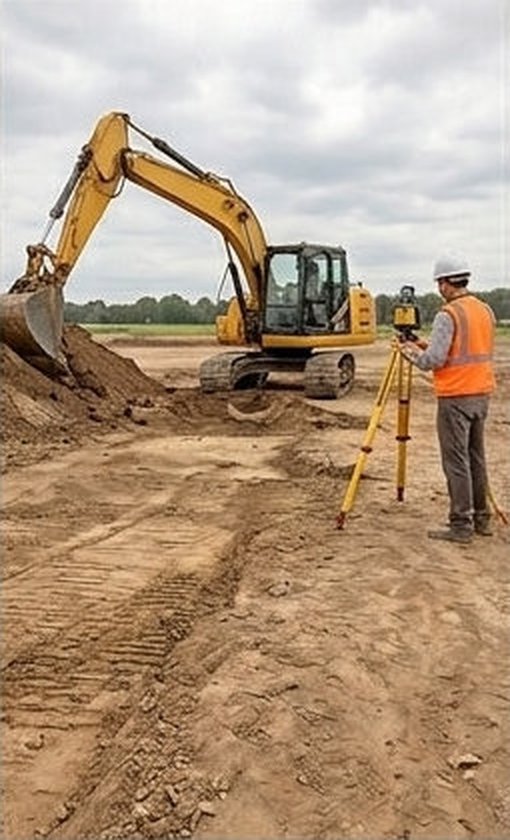
Surveyor with equipment overseeing excavation work on a job site
Construction Management

What an Owner's Representative Actually Does During a Rebuild

Not the GC, not the architect, not the property manager. What the owner's representative role actually covers on a rebuild, and why singular loyalty to the owner is the real value of the role.

Read the article
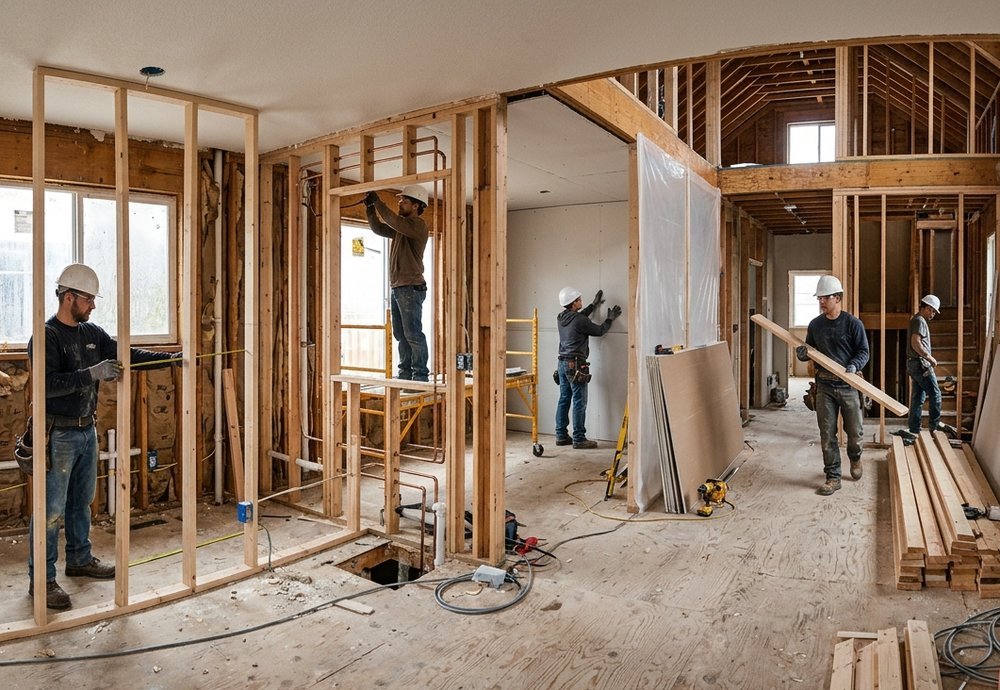
Construction crew framing and installing drywall during interior remodel work
Construction Management

Post-Settlement Construction Management — What Happens After the Case Closes

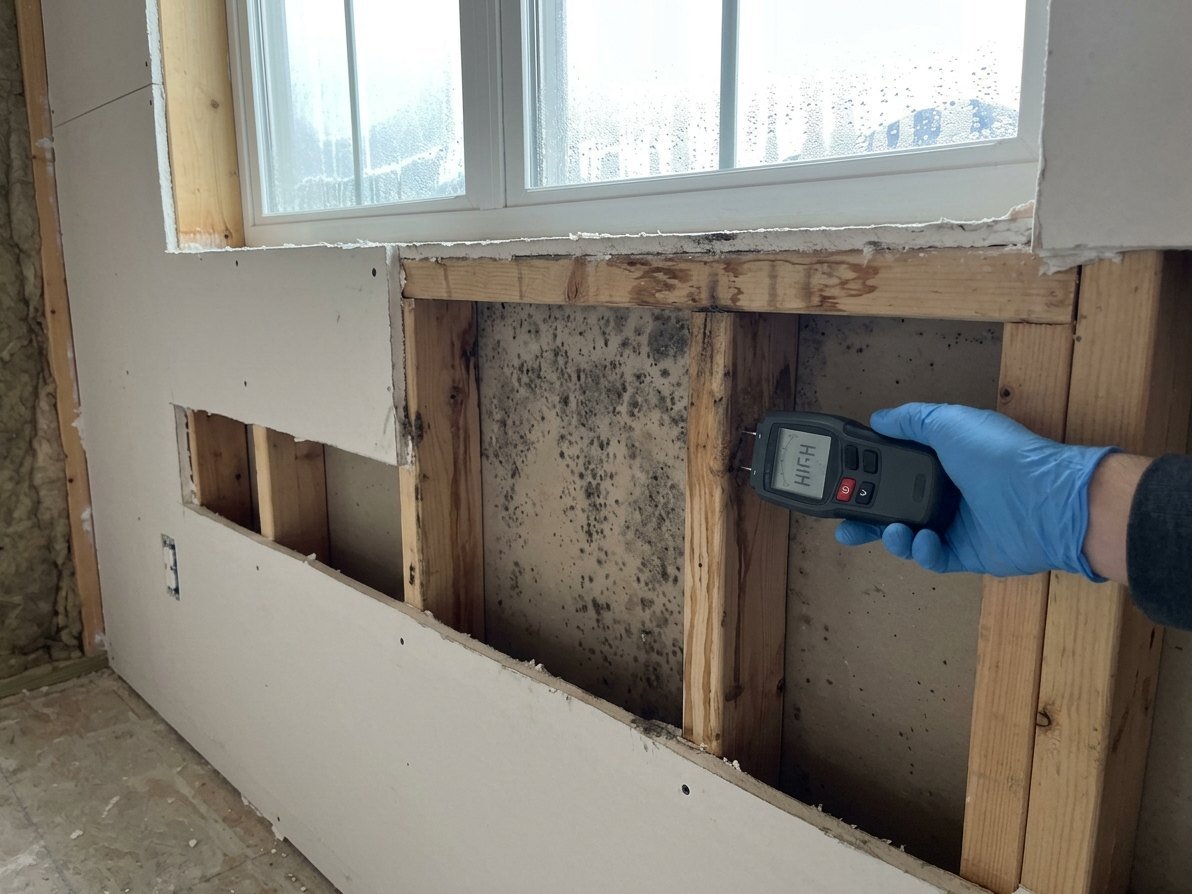
A settlement answers the legal question. It doesn't answer whether the repair work is actually done correctly. What post-settlement oversight covers, from mold clearance testing to leak-path verification to California's balcony-inspection law.

Read the article
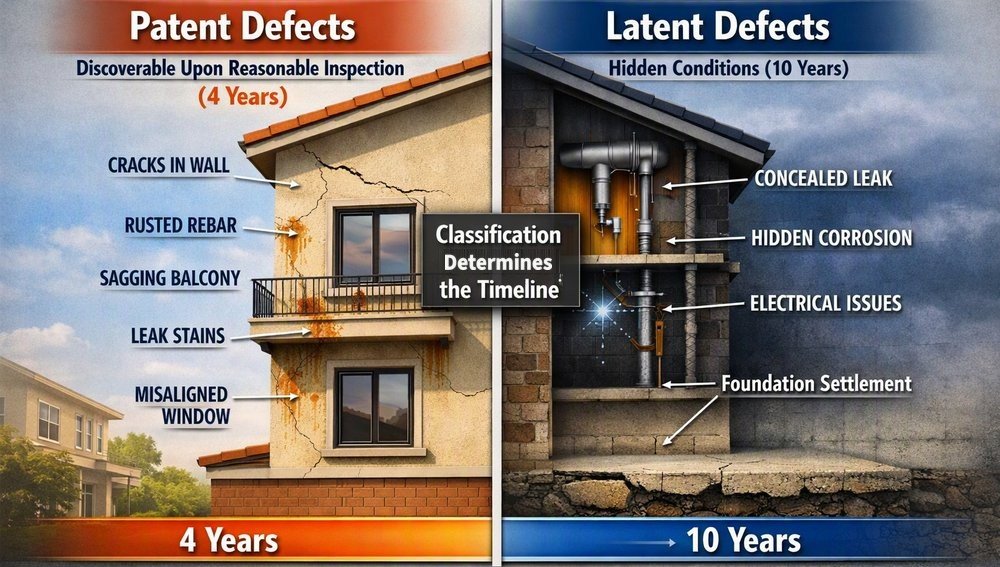
Diagram comparing visible patent defects (4-year limitations period) against hidden latent defects (10-year limitations period)
State Guides

Patent vs. Latent Defects — Why the Distinction Changes Your Case Strategy

In California, whether a defect is patent or latent determines which statute of limitations applies — four years or ten. Why the classification question belongs at the very start of a case, not somewhere in the middle of it.

Read the article
View through construction scaffolding toward the Manhattan skyline
State Guides

Scaffold Law 101 — What New York's Labor Law 240(1) Actually Requires

New York's Scaffold Law imposes strict liability for gravity-related site injuries — different from the fault-based standards under Labor Law §241(6) and §200 it's often pleaded alongside. What the statute requires, and why the distinction changes case strategy.

Read the article
Facade inspector using rope access to examine ornate stone architectural details on a historic New York City building
State Guides

NYC's Facade Inspection Program (FISP): What Building Owners Need to Know

FISP, still widely known as Local Law 11, requires NYC buildings over six stories to have facades inspected every five years. What Cycle 10 requires, how sub-cycles work, and why the inspection history matters in a facade-related dispute.

Read the article
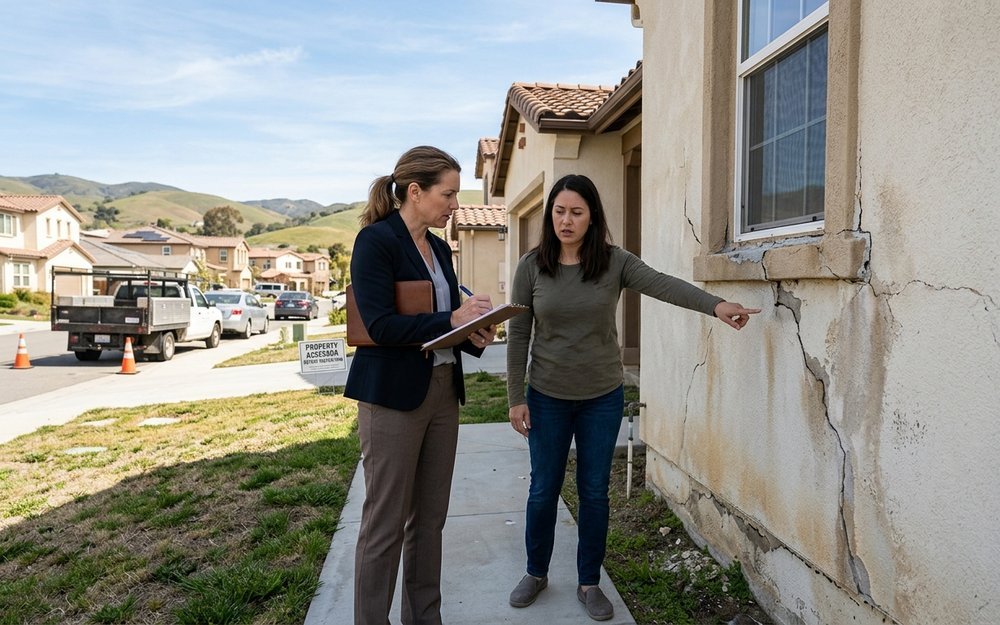
Consultant and homeowner examining a cracked stucco wall during a site inspection
State Guides

Five Things to Confirm Before Filing a California Construction Defect Claim

Before a California construction defect matter goes anywhere, five things need to be nailed down — patent vs. latent classification, which limitations period applies, Right to Repair Act status, licensing, and the pre-litigation notice clock.

Read the article
Have a Matter to Discuss?

Our team is ready to take a confidential look.

All submissions are held in strict confidence and reviewed within one business day.