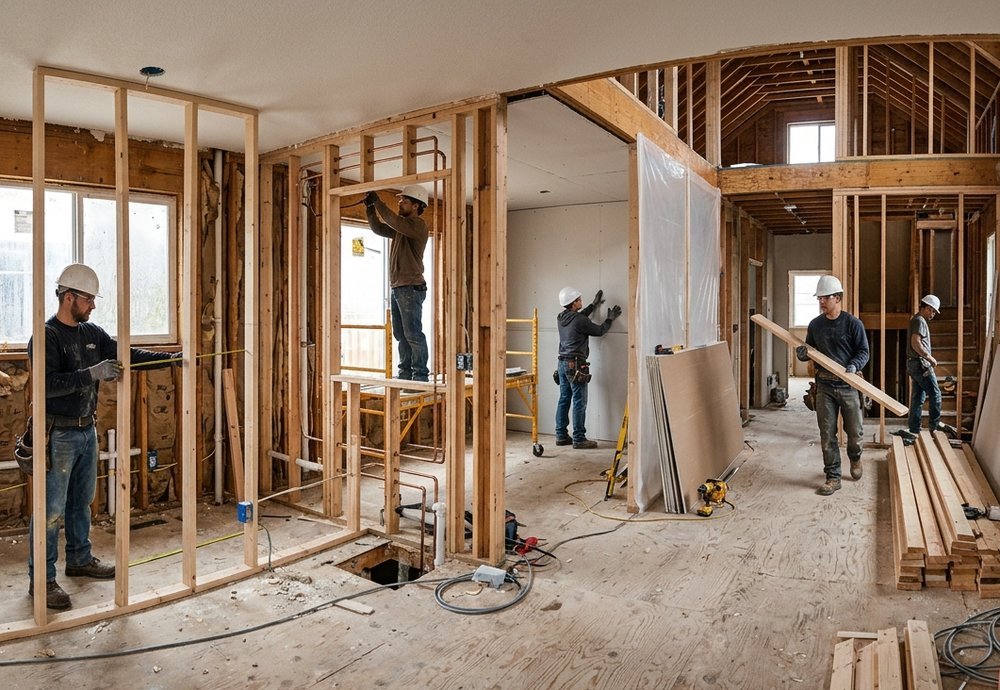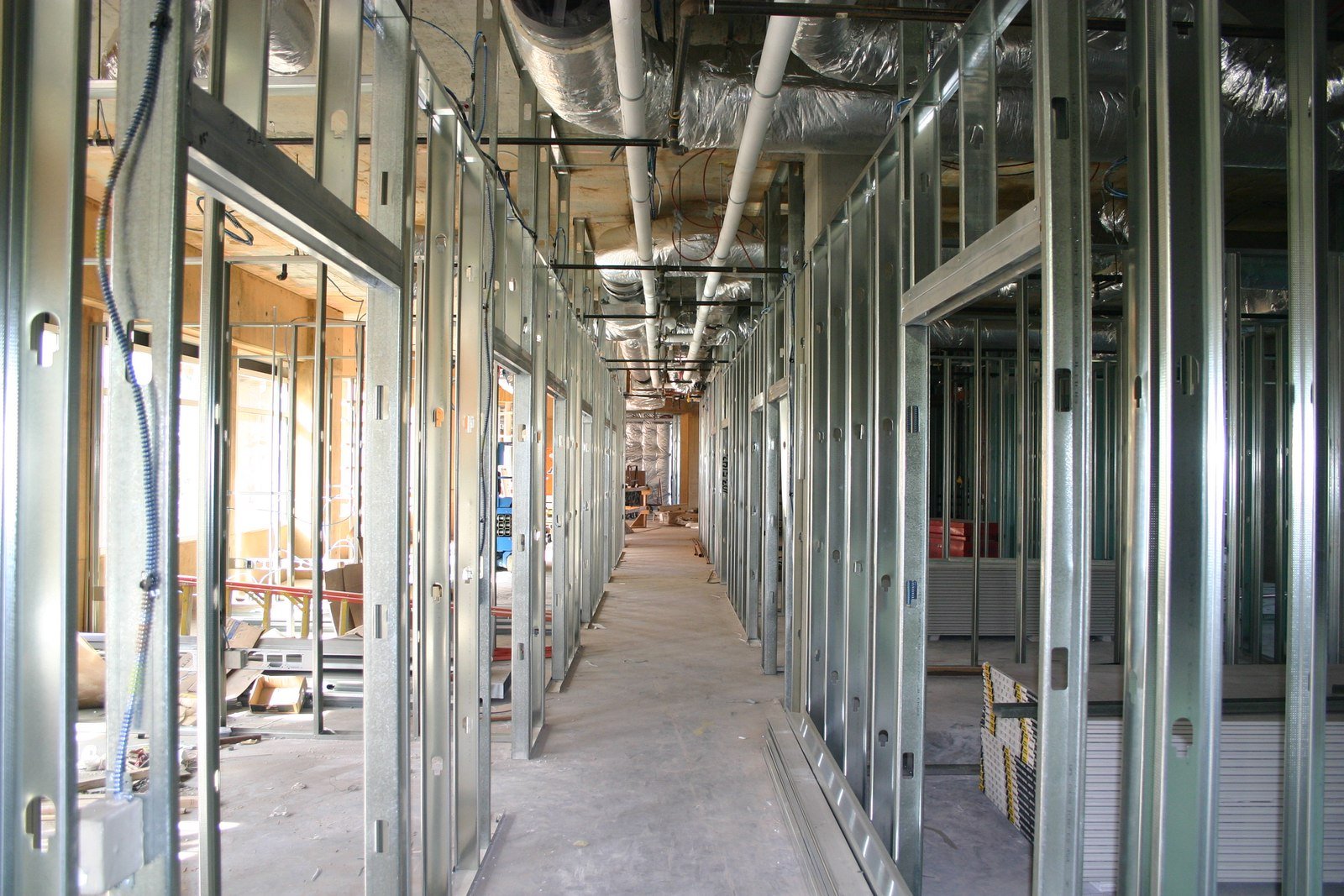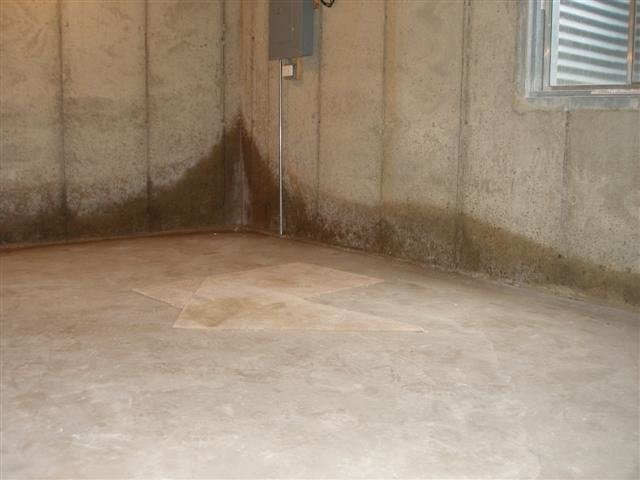
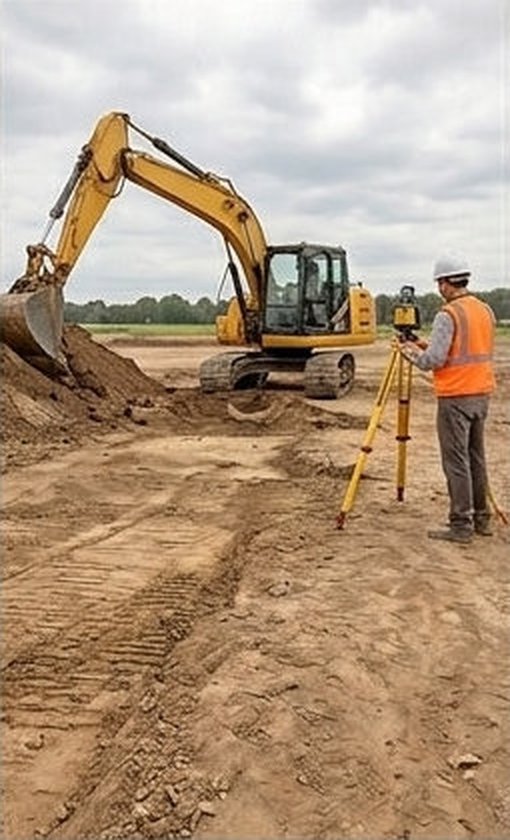
"Owner's representative" gets used loosely enough that the actual scope of the role often surprises people the first time they retain one. It isn't the general contractor, the architect or the property manager: it's someone whose only job is representing the owner's interests specifically, on a project where several other parties each have their own, sometimes competing, interests.
Watch: What an Owner's Rep Does in 4 Minutes
Captions are available in the player. The video loads from YouTube only when you press play. More videos on our YouTube channel
- Bid review and contractor qualification. Before a contract is signed, reviewing bids for more than just the bottom-line number: checking scope completeness, qualifying the contractor's licensing and track record and flagging bids that look low because something's missing rather than because the contractor is efficient.
- Schedule and budget tracking against the actual contract, not just progress reports. Contractor-provided progress updates are a starting point, not the whole picture. Independently tracking schedule and budget against the contract terms catches drift early, when it's still a conversation rather than a dispute.
- Change order evaluation. Not every change order request reflects a genuine unforeseen condition. Evaluating each one against the original scope and contract terms (is this actually outside what was bid and is the proposed cost reasonable for the work) protects the owner from scope creep that erodes the budget one plausible-sounding request at a time.
- Quality-assurance site observations. Regular site visits focused specifically on whether the work matches the plans and specifications: not a substitute for the contractor's own quality control, but an independent check that catches problems while they're still correctable, not after drywall goes up over them.
- Being the single point of accountability the owner can actually reach. On a project with an architect, a GC, subcontractors and often an insurance carrier or attorney involved, the owner's rep is the one relationship that exists purely to represent the owner: not to protect the design, not to protect the construction schedule, not to manage a claim. That singular loyalty is the actual value of the role, more than any one task on the list above.
The role matters most exactly when an owner has the least bandwidth to manage a project directly: a settlement-funded rebuild, a busy commercial owner overseeing multiple properties or an out-of-area owner who can't be on site regularly. In each case, the value isn't doing the construction: it's making sure someone whose only job is protecting the owner's interest is watching every part of the process that could otherwise quietly go sideways.
What an Owner's Rep Costs
There is no standard price for an owner's representative. Anyone who quotes one before seeing the project is guessing. The fee is set by the same things that set the size of the job:
- Scope: bid review and contractor selection alone or full oversight from preconstruction through closeout.
- Duration: a six-month interior rebuild and a two-year ground-up project call for very different commitments.
- Site presence: weekly observations cost more than monthly ones. A full-time representative on site costs more again.
- Complexity: an occupied building, insurance or settlement funding, multiple contractors and permit or entitlement conditions all add coordination.
- Travel: an out-of-area project adds time and expense to every site visit.
Owner's reps are commonly paid in one of four ways: an hourly rate, a monthly retainer, a fixed fee for a defined scope or a percentage of construction cost. A fixed fee or a retainer tends to suit a defined rebuild. Hourly suits limited or intermittent work. A percentage fee ties the rep's pay to the size of the construction budget, which is the budget the rep is there to protect. Ask how the fee is set and what it covers before you sign.
The useful comparison is not the fee against nothing. It is the fee against what an unreviewed change order, an installation error nobody caught or a schedule slip nobody tracked costs once the work is covered up. We quote each engagement after reviewing the project documents and the scope the owner needs. See our owner's representative services.
Owner's Rep vs. Construction Manager
The titles overlap and people use them interchangeably. The real difference is who carries the construction risk and whose interest each role answers to.
- Construction manager at risk (CMAR): holds the trade contracts, usually guarantees a maximum price and carries the risk of building the project. That makes it a builder with its own margin to protect, even though it joins the project early.
- Agency construction manager: advises the owner and manages the process for a fee without holding the trade contracts. This role is close to an owner's rep and the two titles are often used for the same job.
- Owner's representative: works only for the owner and holds no construction contracts. The rep can sit alongside a general contractor, a design-builder or a construction manager at risk and review their work on the owner's behalf.
The title alone doesn't tell you the role. Ask two questions: are you advising on the owner's behalf or taking responsibility for delivering the construction? And how is your fee calculated, including whether it changes if construction costs rise? An owner's representative advises and coordinates for the owner without taking on the construction work. The agreement should clearly define those responsibilities and the fee.
I have worked on both sides of that line: on the developer side carrying multifamily projects from entitlement through closeout and as the owner's representative on commercial, residential and university capital projects. The role can start well before construction. On new development it often begins at site feasibility and entitlements, covered on our land development and entitlement consulting page.
This article is a general informational overview, not legal advice and does not create an attorney-client or expert-client relationship. PCC is a construction forensics and construction management firm, not a law firm. Rely on counsel for how any legal rule applies to a specific project.