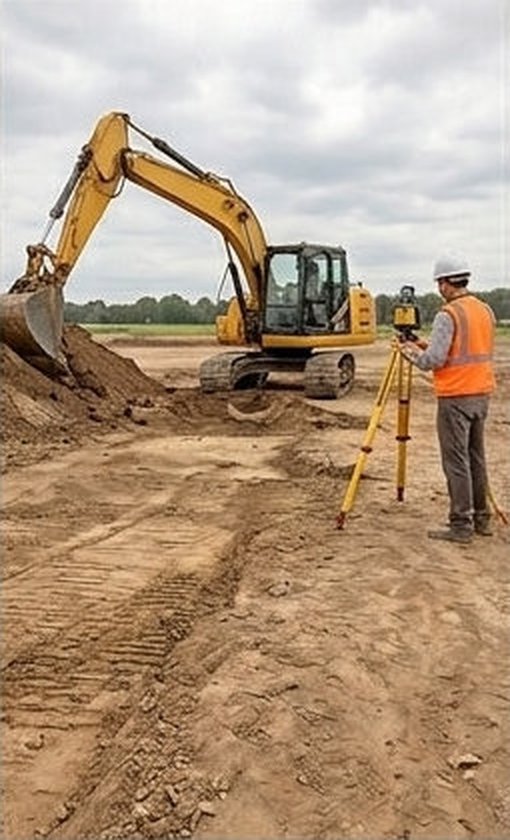
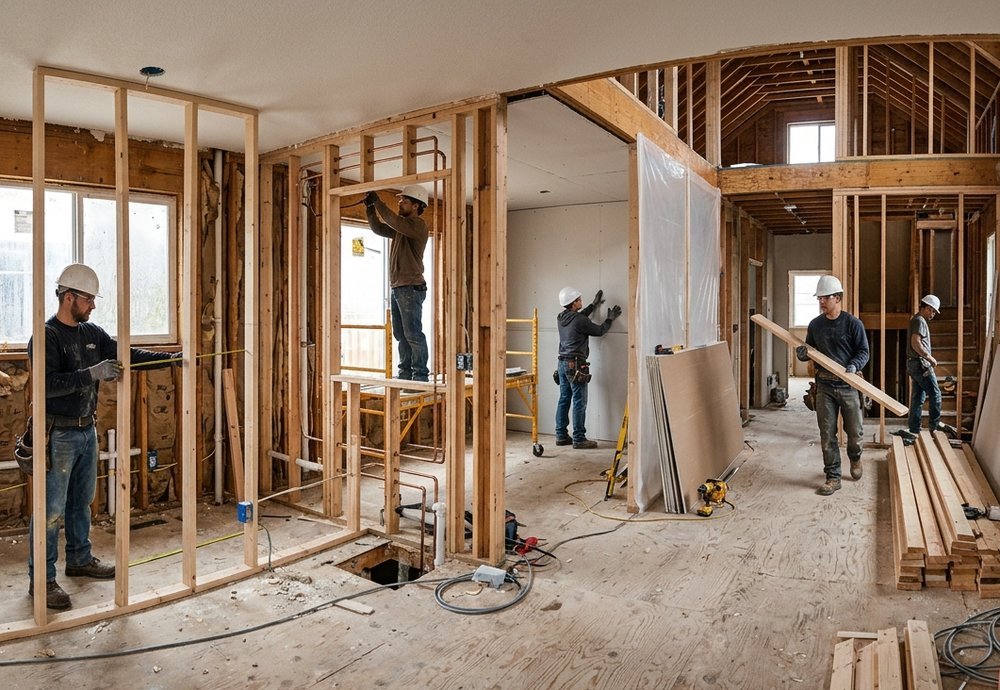
A settlement or claim resolution answers the legal question: who's responsible and for how much. It doesn't answer the construction question: is the repair work actually going to be done correctly, on budget, with the settlement funds spent the way they were meant to be. That gap is where post-settlement oversight sits and it's easy to underestimate how much can still go wrong after the hardest part of the dispute is technically over.
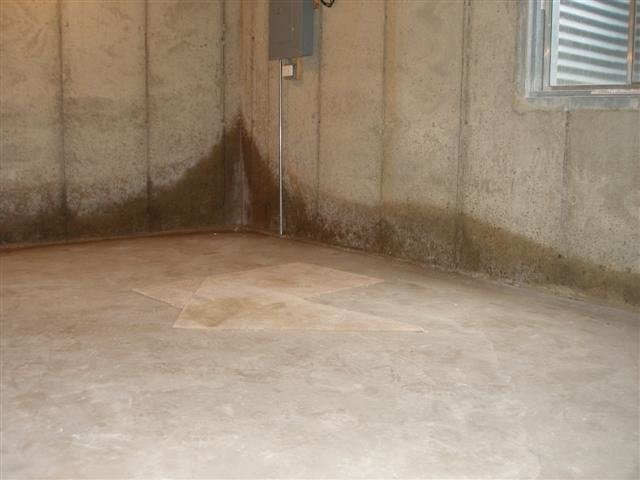
Where the settlement scope involves water-damaged wood framing, oversight often has two distinct tracks running at once: confirming the space is safe to close back up and confirming the repair itself was done correctly.
- Mold and indoor air quality clearance: post-remediation air sampling to confirm the space meets the clearance criteria set in the remediation specification or the assessor's protocol before walls are closed with drywall or stucco. ASTM D7391 is the laboratory method for analyzing the collected air samples; it sets no pass/fail limit of its own.
- Moisture content verification: confirming framing has actually dried to the acceptance value in the project specification or the manufacturer's requirements rather than being closed up while still wet. ASTM D4442 and D4444 describe how to measure moisture content; the acceptance value itself comes from the specification.
- Leak-path verification: applying ASTM E2128, the standard guide for evaluating water leakage of building walls, the same way it was applied when diagnosing the original failure, to confirm the repair actually eliminated it, not just covered it.
- Post-repair quality assurance testing: ASTM E1105 field water-penetration testing on repaired doors and windows and flood testing under the ASTM D5957 guide on rebuilt balconies and walkways before topping coatings go on.
- Coating adhesion testing: pull-off adhesion testing on new deck coatings (ASTM D7234 is the method for coatings on concrete; ASTM D4541 is written for metal substrates), confirming the contractor achieved real bond strength, not just a finished-looking surface.
For elevated walkways and balconies specifically, California owners have an additional layer worth knowing about: the state's balcony inspection laws. Health & Safety Code §17973 (from SB 721) requires periodic inspection of exterior elevated elements in apartment buildings with three or more units. Civil Code §5551 (from SB 326) requires periodic inspection of exterior elevated elements maintained by condominium associations. From a construction standpoint, post-settlement repair documentation should be retained in a form the next inspector can review, not just in a form that closes out the immediate repair scope. Counsel decides how either law applies to a given property.
None of the testing above is something a general contractor typically performs or verifies on their own initiative: it requires someone whose job is specifically confirming the work, not performing it. That's the actual value of independent oversight in this phase: not managing the schedule (though that matters too), but making sure "the repair is done" is a verified fact by the time the walls close, not an assumption that surfaces as a problem years later.
PCC is a construction forensics and construction management firm, not a law firm. Rely on counsel for how any rule discussed here applies to your property.
This article is a general informational overview, not legal advice. It does not create an attorney-client or expert-client relationship.