Florida's post-Surfside condominium safety rules require many associations to get two things done on a schedule: a milestone inspection of the building's structure and a structural integrity reserve study (SIRS) that sets reserves for the building's major systems. House Bill 913, effective July 1, 2025, changed several deadlines and reserve rules. A separate 2024 law on association websites took effect January 1, 2026.
The main SIRS completion deadline for unit-owner-controlled associations that existed on or before July 1, 2022 was December 31, 2025. That date has passed. The date still ahead is December 31, 2026, the outer limit for a building allowed to complete its SIRS together with a milestone inspection.
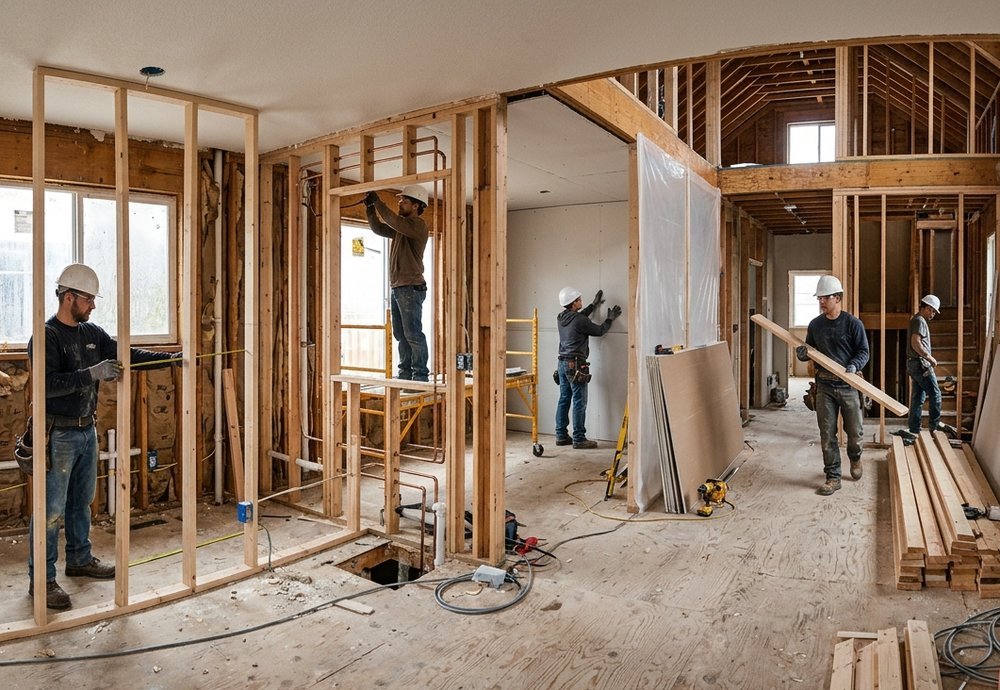
The statutes set the dates. The work happens on the roof, in the garage, on the balconies and in the electrical and mechanical rooms. This article covers what that work looks like from a construction standpoint and what a board should have documented when it is done. A short summary of the rules follows as context.
What a SIRS Covers on Site
A SIRS works through the building component by component. In physical terms the categories the statute lists look like this:
- Roof. Membrane or tile, flashings, parapets and copings, drains and scuppers, penetrations and the supports for rooftop equipment.
- Structure. Columns, beams, slabs and load-bearing walls, plus balconies, walkways and parking decks. Post-tensioned buildings need added attention at tendon anchorages and any exposed tendon ends.
- Fireproofing and fire protection. Sprinkler piping and heads, fire pumps, standpipes, alarm systems, spray-applied fireproofing and firestopping at penetrations.
- Plumbing. Domestic water risers, drain and vent stacks and the pumps and water heaters serving common areas.
- Electrical. Main switchgear, distribution panels, meter centers, feeders and emergency power.
- Waterproofing and exterior painting. Wall coatings, sealant joints, balcony and plaza membranes and below-grade waterproofing.
- Windows and exterior doors. Frames, glazing seals, anchors and the perimeter sealant that ties each opening into the wall.
The statute can also pull in other items above a cost threshold, but only where neglecting them would negatively affect one of the listed categories. The rules summary below has the wording.
Condition Assessment and Remaining Useful Life
A useful condition assessment is more than a walk-through with a clipboard. The inspector needs access to the roof, a representative set of balconies and units, the garage, the stairwells and the electrical and mechanical rooms. Typical findings on Florida concrete buildings include cracking, rust staining, spalling where reinforcing steel has corroded and delaminated concrete that sounds hollow under a hammer or chain drag. Each observation should be tied to a location on a plan and a photograph so the next inspector and the repair contractor can find it again. Where the visual survey raises questions, the engineer may call for limited testing or exploratory openings before putting a number on the repair.
Every component then gets an estimate of remaining useful life. Published life tables are a starting point. The number should reflect what is actually on the building: its age, its exposure to salt air and wind-driven rain, how well it has been maintained and what the survey found. A newer roof that was installed poorly can have less life left than an older roof that was installed and maintained well.
Remaining useful life drives the reserve schedule. Set it too long and reserves come up short when the component fails. Set it too short and owners fund replacements years before they are needed.
Repair Scoping and Cost
When the milestone inspection or the SIRS identifies repairs, the next step is a repair scope a contractor can price. For concrete restoration that normally means:
- Repair drawings and specifications from the engineer of record, with typical repair details and estimated quantities.
- Unit prices for quantity-driven items such as square feet of spall repair, linear feet of crack or joint repair and reinforcing steel replaced.
- Access and protection costs: shoring, swing stages or scaffolding, protection of occupied units and parking relocation.
- A contingency. Concrete repair quantities often grow once deteriorated concrete is removed, because corrosion rarely stops where the visible damage stops.
- Permits, observation by the engineer during construction and a close-out letter confirming the work was done as designed.
During construction the board's main cost exposure is quantity growth. Someone independent of the contractor should measure and log each repair location before it is patched, reconcile quantities against the unit-price schedule and flag totals as they approach the budget. That record is what supports a later special assessment or reserve vote. PCC's construction management services cover this kind of oversight.
The SIRS should then catch up with the repair. A component that has just been restored has a different remaining useful life than it did before. The reserve schedule should be updated to match.
What Boards Should Have Documented
- The signed SIRS report with its component inventory, condition findings, remaining useful life, replacement cost estimates and funding plan.
- Milestone inspection reports and any engineer's recommendations for further evaluation or repair.
- Repair drawings, specifications, permits and inspection records.
- Contractor pay applications, measured quantity logs, change orders and photographs of each repair before it was closed up.
- The engineer's close-out letter and any contractor and manufacturer warranties.
- Board minutes recording reserve votes, any vote to pause or reduce contributions and how each repair was funded.
- For associations covered by the website rule, a record that the reports were posted.
Insurers, lenders and buyers may ask for these records. A board with a complete file can answer quickly. A board without one may end up paying to have the building looked at again.
The Rules in Brief
These are the main statutory points as of this writing. Counsel and the association's engineer decide how they apply to a particular building.
- Deadlines. HB 913 set December 31, 2025 as the SIRS completion deadline for unit-owner-controlled associations that existed on or before July 1, 2022. A building with a milestone inspection due on or before December 31, 2026 may complete its SIRS together with that inspection, but no later than December 31, 2026.
- Which buildings. HB 913 set the SIRS and milestone inspection trigger at buildings three habitable stories or more in height, as determined by the Florida Building Code. Buildings with ground-floor parking or non-residential levels should confirm how their stories count.
- Reserve funding. Under Fla. Stat. §718.112(2)(g), for a budget adopted on or after December 31, 2024, members may not vote to provide no reserves or less than the required reserves for the SIRS items. Those items are the seven categories above plus any other item with a deferred maintenance expense or replacement cost above the threshold, where failing to replace or maintain it would negatively affect a listed item.
- Repair relief. An association that completed a milestone inspection within the previous two calendar years may pause or reduce reserve contributions for no more than two consecutive annual budgets to fund repairs recommended by that inspection. This takes approval of a majority of the total voting interests and applies to budgets adopted on or before December 31, 2028. Reserves may also be funded by special assessment, line of credit or loan with the same majority approval.
- Threshold. HB 913 set the reserve-item threshold at $25,000, adjusted annually for inflation. The Florida Department of Business and Professional Regulation (DBPR) publishes the 2026 figure as $25,675. The next update is due by February 1, 2027.
- Websites. Under House Bill 1021 (2024), starting January 1, 2026, associations with 25 or more units must post certain official records, including SIRS and milestone inspection reports, on a website or app. The prior threshold was 150 units. Condominiums containing timeshare units are excluded from the 25-unit rule.
PCC's Florida state guide covers the milestone inspection and SIRS framework in more detail.
This article is a general informational overview, not legal advice and does not create an attorney-client relationship. PCC is a construction forensics and construction management firm, not a law firm. Rely on counsel for how any of these rules applies to your association and on a licensed engineer for the building-specific inspection and reserve study.