State Guides

Latest Insights

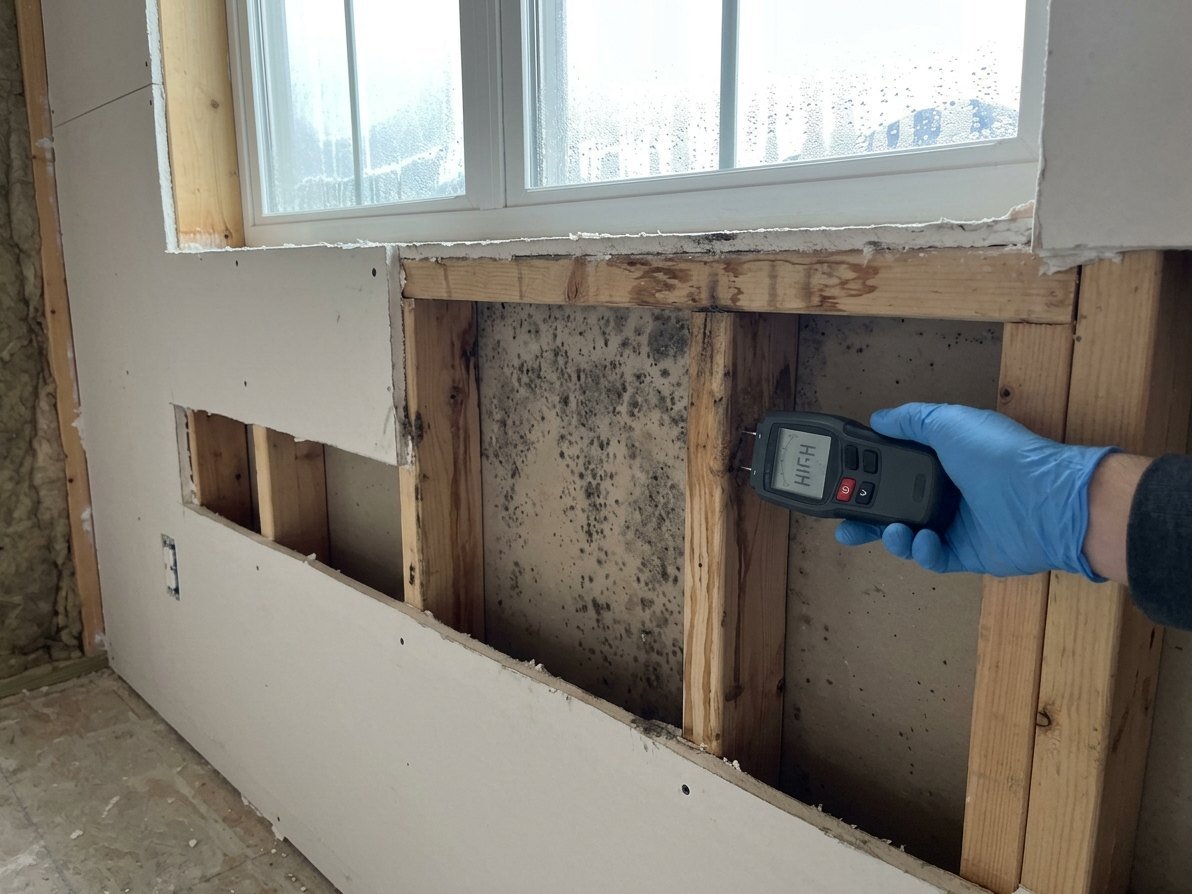
Investigator taking a moisture meter reading at the lower corner of an exterior bedroom wall below a window with a small inspection opening cut in the drywall
State Guides

Mold in a New Home: When Is the Builder Responsible in California?

Mold in a newer California home is a water problem first. How an investigator traces the water to a window, deck, roof, shower pan, plumbing or slab, separates construction causes from occupant use and maintenance and documents it. Then how the Right to Repair Act treats the damage.

Read the article →
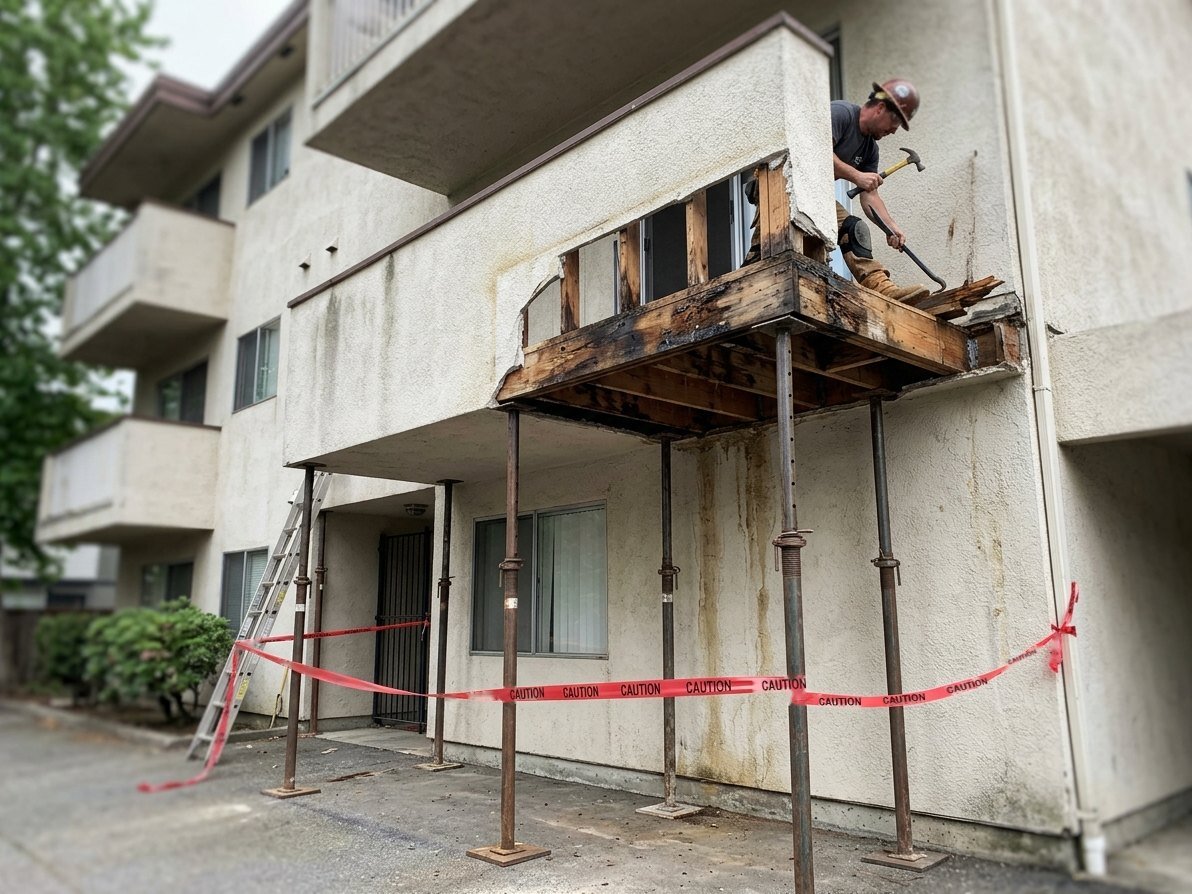

Second-floor wood balcony on a California stucco condominium under repair, with the deck surface removed, new framing and temporary shoring posts below
State Guides

SB 326 and SB 721 After the Inspection Report: Repairs, Who Pays and Selling a Unit

The balcony inspection is done. Now what? How California boards and building owners read the report, handle an immediate threat, meet the SB 721 repair deadlines, fund the work and document completion so buyers and lenders can see it.

Read the article →
Aerial view of high-rise condominium towers along a Florida beachfront
State Guides

Florida SIRS and Milestone Work in 2026: What It Involves and What Boards Should Document

What a structural integrity reserve study and milestone repair program involve on site, what Florida condo boards should keep on file and the deadlines and reserve rules now in place under HB 913 and a 2024 records law.

Read the article →
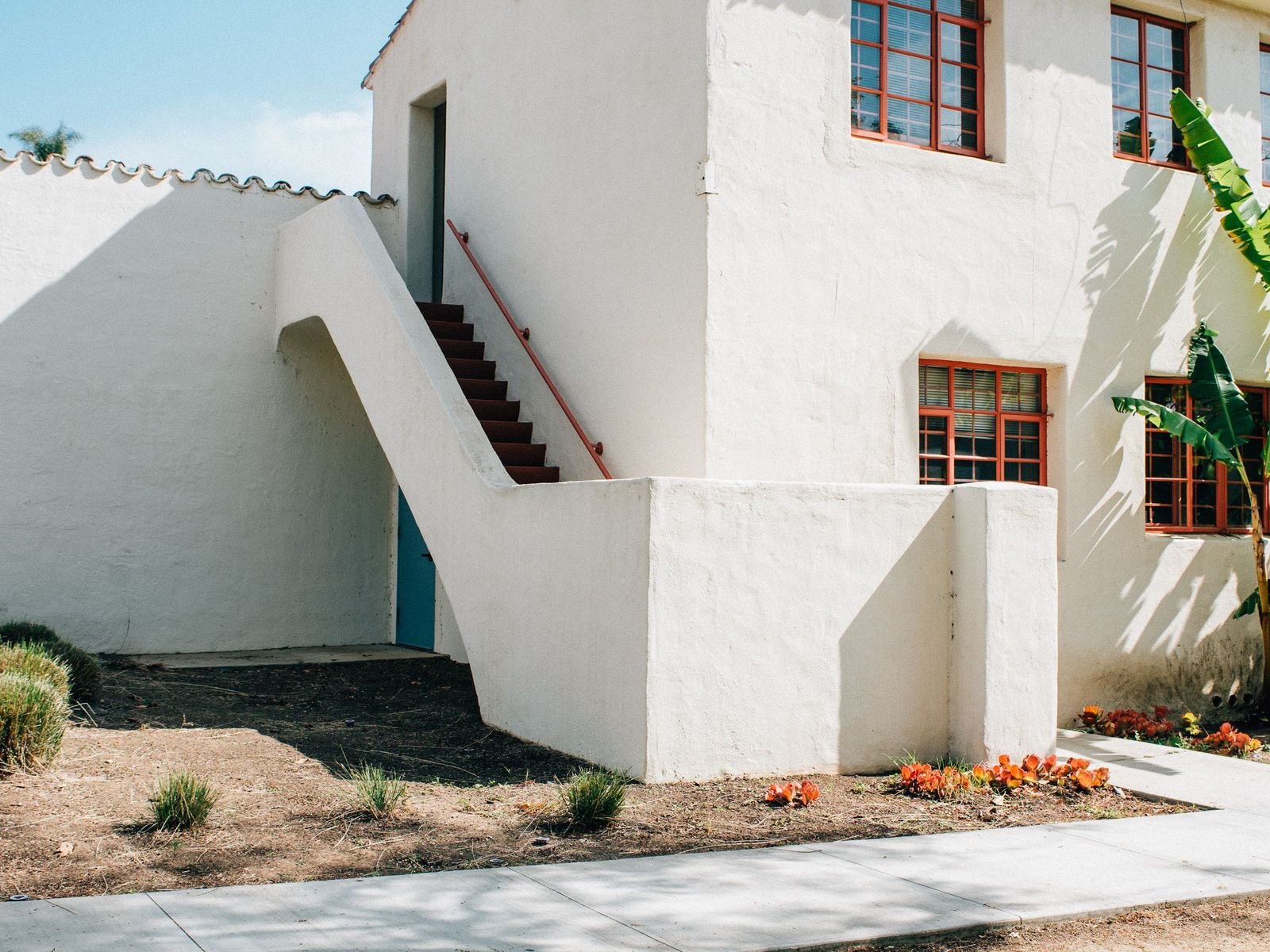
White stucco building where the wall meets bare earth, with dry grass tufts and low planting set against the base and a concrete walkway alongside
State Guides

Zone 0 for HOA Boards: The Building Damage Budgets Often Miss

California's Zone 0 rule is not yet in effect, but for a common interest development the five feet it would govern is often common area. Here is what a Zone 0 retrofit would do to the building envelope and what boards should document about their buildings now, before any crew touches the base of the wall.

Read the article →
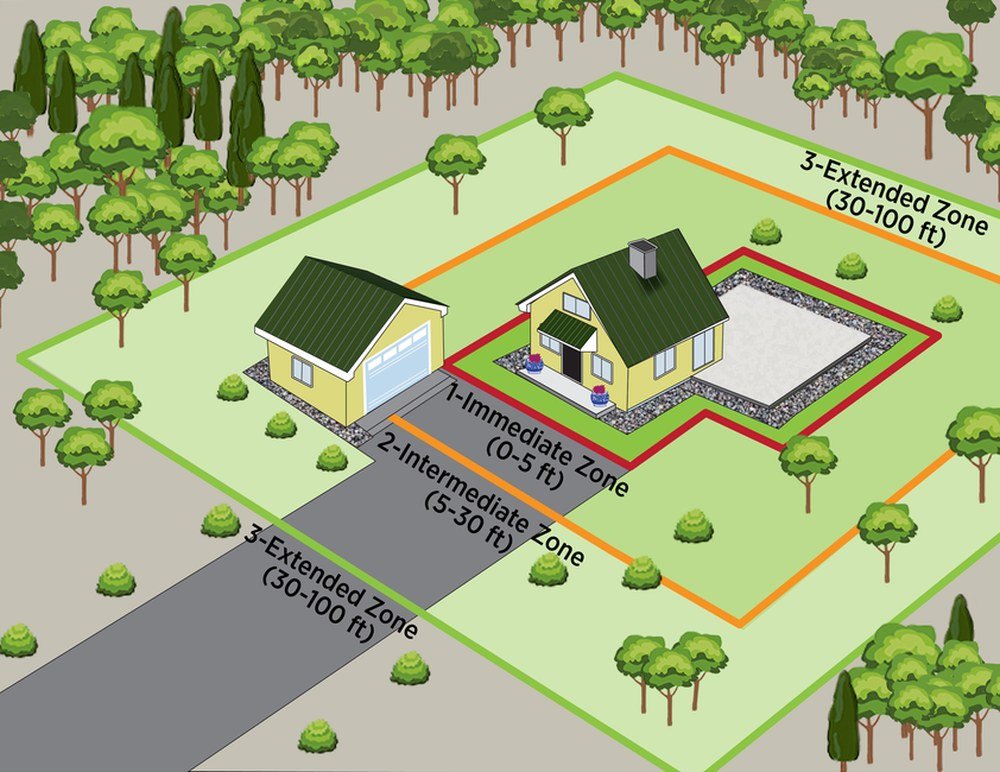
Diagram of the three California defensible space zones around a home: Zone 0 at 0 to 5 feet, Zone 1 at 5 to 30 feet and Zone 2 at 30 to 100 feet
State Guides

California's Proposed Zone 0 Rules: What the Ember-Resistant Zone Regulation Would Require

California's Zone 0 regulation was filed with OAL as an emergency regulation and withdrawn on September 8, 2026. It is not in effect. Here is what the Board's proposed five-foot ember-resistant zone would require and why a landscaping-only retrofit can cause more damage than it prevents.

Read the article →
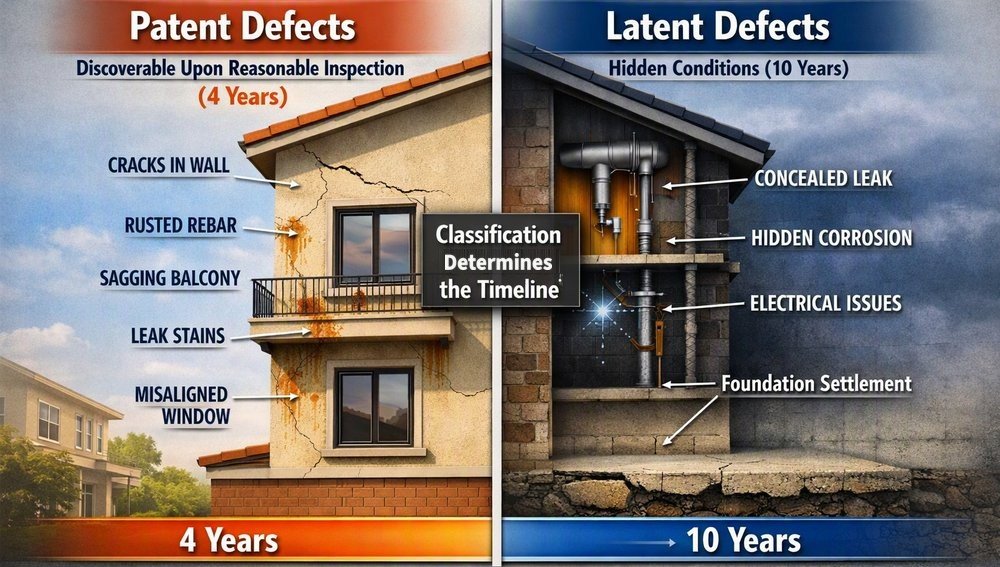
Diagram comparing visible patent defects (4-year limitations period) against hidden latent defects (10-year limitations period)
State Guides

Patent vs. Latent Defects: What a Reasonable Inspection Would Reveal

A patent defect is one a reasonable inspection would reveal. A latent defect is one it would not. In California that line separates the four-year limit in CCP 337.1 from the ten-year limit in CCP 337.15. How a forensic investigator documents what could be seen and when.

Read the article →
View through construction scaffolding toward the Manhattan skyline
State Guides

Scaffold Law 101: The Jobsite Facts Behind a Labor Law 240(1) Incident

When a worker falls from height or a load drops on a New York site, Labor Law 240(1) is part of the conversation. How it applies is for counsel. What the jobsite looked like is a construction question: the task, the device, its condition, who directed the work and the records that show it.

Read the article →
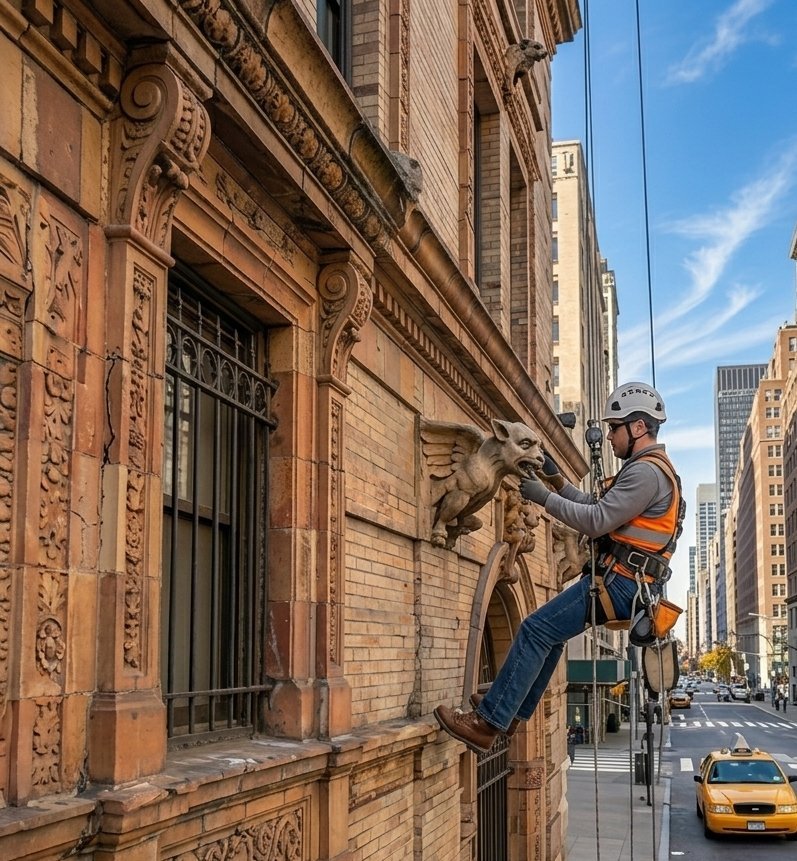
Facade inspector using rope access to examine ornate stone architectural details on a historic New York City building
State Guides

NYC's Facade Inspection Program (FISP): What Building Owners Need to Know

FISP, still widely known as Local Law 11, requires NYC buildings over six stories to have facades inspected every five years. What the inspection and report document, what Safe, SWARMP and Unsafe mean for the wall and how to plan the repairs.

Read the article →
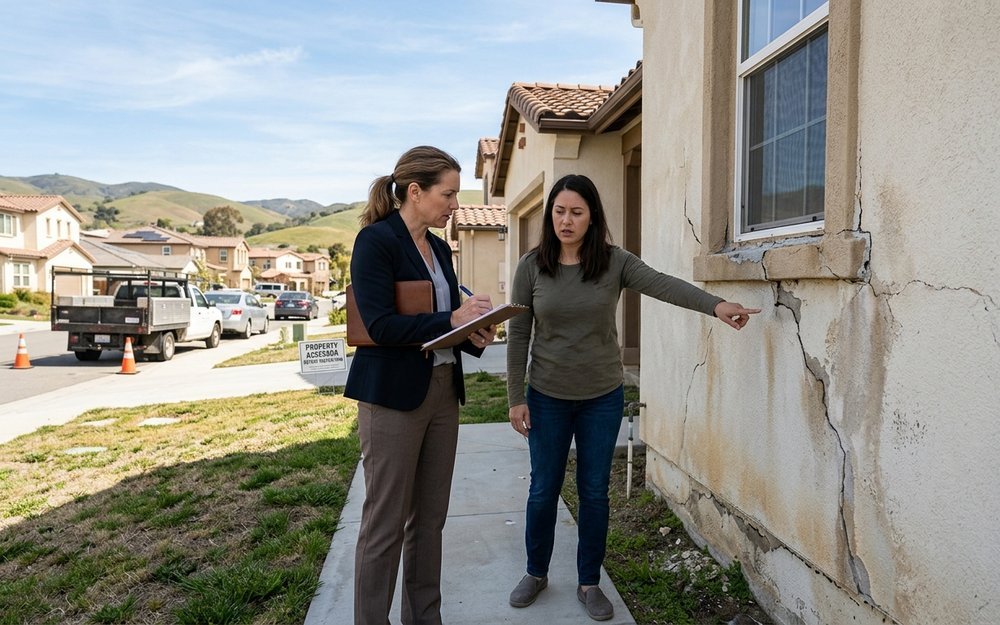
Consultant and homeowner examining a cracked stucco wall during a site inspection
State Guides

Five Things to Establish Before a California Construction Defect Claim

Before a California construction defect claim goes forward, the forensic investigation should establish five things: what is physically wrong, when it was built and completed, whether it was observable on reasonable inspection, who built it and whether the evidence is preserved.

Read the article →
Have a Matter to Discuss?

Our team is ready to take a confidential look.

All submissions are held in strict confidence and reviewed within one business day.