17 days
Buyer's investigation period in the standard C.A.R. purchase agreement unless the parties agree otherwise
6 categories
Every item in the report is sorted, from Safety to Request Records
§1102.6h
Home flipped within 18 months: the seller provides copies of permits it obtained
§1102.6
Seller disclosure form question on alterations made without necessary permits
For Buyers Who Can't Be There

Is a Regular Home Inspection Enough for a Flipped House?

A general home inspection covers the whole home at a general level. A flip or a remodel needs a closer look at the work itself. Listings describe a renovation in marketing language: "fully remodeled," "brand-new systems," "rebuilt to the studs." We look at the work. You or your agent tell us which trades matter most. We review the readily accessible work in each one, photograph what we see and explain why each item may matter.

Buying a condo or house that was not recently renovated? See Pre-Purchase Construction Review.

Electrical

Receptacles, ground-fault protection, new circuits such as EV chargers, fixtures in wet locations and visible panel work.

Plumbing

Fixtures, visible drain and supply connections, water heaters, backflow protection and added equipment such as filtration.

Gas & Combustion Appliances

Water heater and furnace venting, burner compartments, combustion air and gas fireplaces, to the extent visible.

Waterproofing

Showers, tile joints, fixture trim, decks and balconies and other places where water can get into concealed areas.

Structural & Windows

Visible signs of altered framing, access to attics and other concealed areas, window and glazing conditions.

Other Safety & HOA Areas

Stairs and guards, garage separation, smoke and carbon monoxide alarms and exterior areas the association likely maintains.

What You Receive

What Every Site Observation Report Includes

A report you can read from anywhere and share with your agent, your family and your attorney. Each one follows the same structure.

  1. 1.1PCC's overall opinion of the visible work and the items that matter most.
  2. 1.2Six categories so you can see at a glance what needs attention first.
  3. 1.3Quick overview of potential building code and safety concerns by general code area.
  4. 1.4Complete item list with location, category, suggested next step and photo numbers.
  5. 1.5Item locations showing where each item is in the home.
  6. 3+Item detail by trade: what was observed, why it may matter, the typical correction and the suggested next step.
  7. →Work observed without noted concerns, so you know what looked right too.
  8. →Permitting implications: the work that typically requires permits.
  9. →Comparison with your home inspection report, standard in every report when you have one.
  10. →Not observed or not verified, stated plainly.
  11. →Pool and spa safety features, where the home has a pool or spa.
  12. →Documents to request from the seller: permits, contractor information, HOA approvals and warranties.
  13. App.Time-stamped photographs keyed to each item.
Illustrative Sample

What the Report Looks Like

The excerpt below follows the format of our Site Observation Report: Pre-Purchase Renovation Conditions. The photographs are actual site photographs. The property and its owner are not identified. A real report covers the renovation areas in your agreement, with time-stamped photographs keyed to each item.

Illustrative sample · not a client report

Site Observation Report: Pre-Purchase Renovation Conditions. Purpose: Document and evaluate the readily visible conditions of the specifically identified renovation areas for the client's pre-purchase review, subject to the scope and limitations in the agreement.

Property
Residence, location withheld
Scope
Renovation areas in the agreement
Report sections shown
1.2 · 1.3 · item detail

1.2Categories

Each item is assigned one category. Categories describe the type of condition, not code compliance.
CategoryMeaning
Safety A condition that could affect life safety. We suggest evaluation by an appropriately licensed contractor before your contingency period ends.
Work in Progress Work that appeared to be underway on the day of the observation. Ask the seller what is being done and confirm it is completed.
Recommended Review A condition worth having the appropriate licensed trade review. It could not be confirmed visually.
Workmanship / Maintenance Work that appeared incomplete, unsealed or worn and is not considered a safety concern. Correction is generally routine.
Confirm A quick check that could not be completed during the review, such as a label, a measurement or a control PCC could not operate.
Request Records Permits or documents that the seller or the HOA can likely provide.

1.3Quick overview

General code areas are descriptions, not code citations or determinations of compliance.
ItemLocationPotential concernGeneral code areaCategory
1Water heater closetRelief line material, tank support and vent jointsPlumbing Code; manufacturer instructionsRecommended Review
2Laundry, washer boxCorroded connections; open wall at the drainPlumbing CodeRecommended Review
3Bathroom, showerPainted drywall above the tile; unsealed shower armMaintenanceWorkmanship / Maintenance
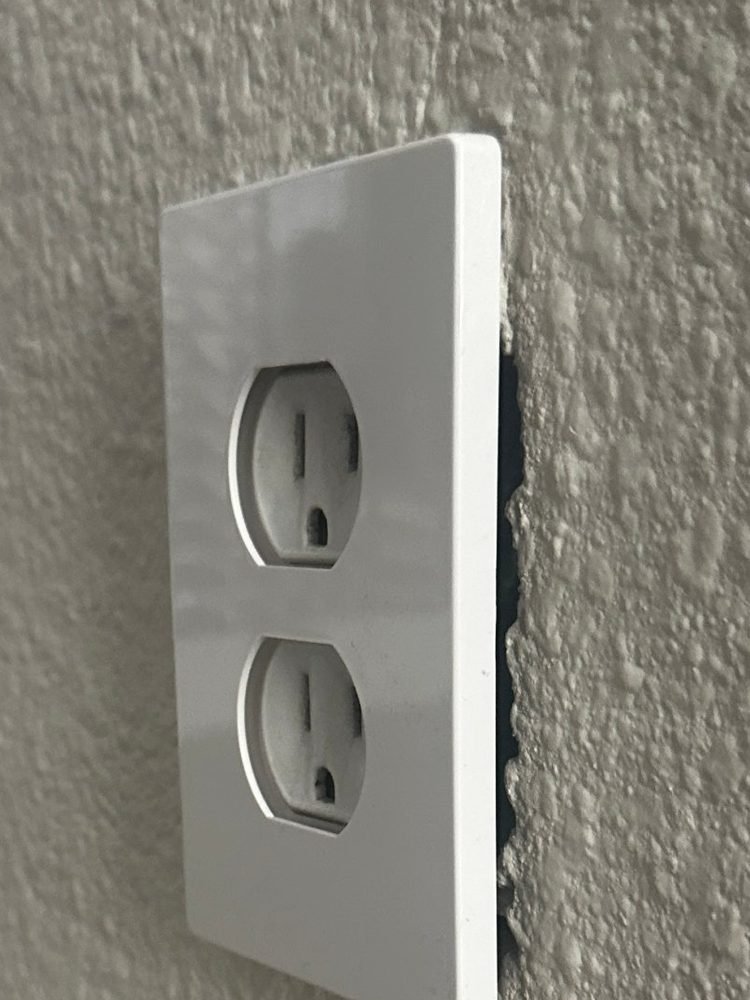
4Interior wallDrywall gap at a receptacle boxElectrical CodeWorkmanship / Maintenance
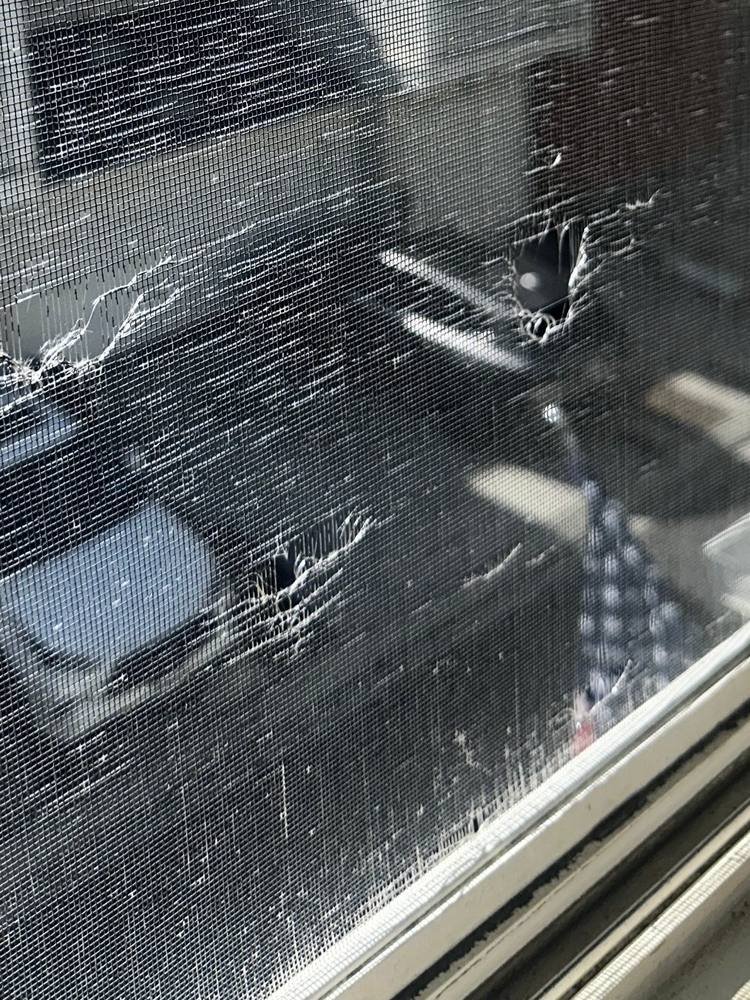
5Upstairs windowTorn screen; debris in the sill trackMaintenanceWorkmanship / Maintenance
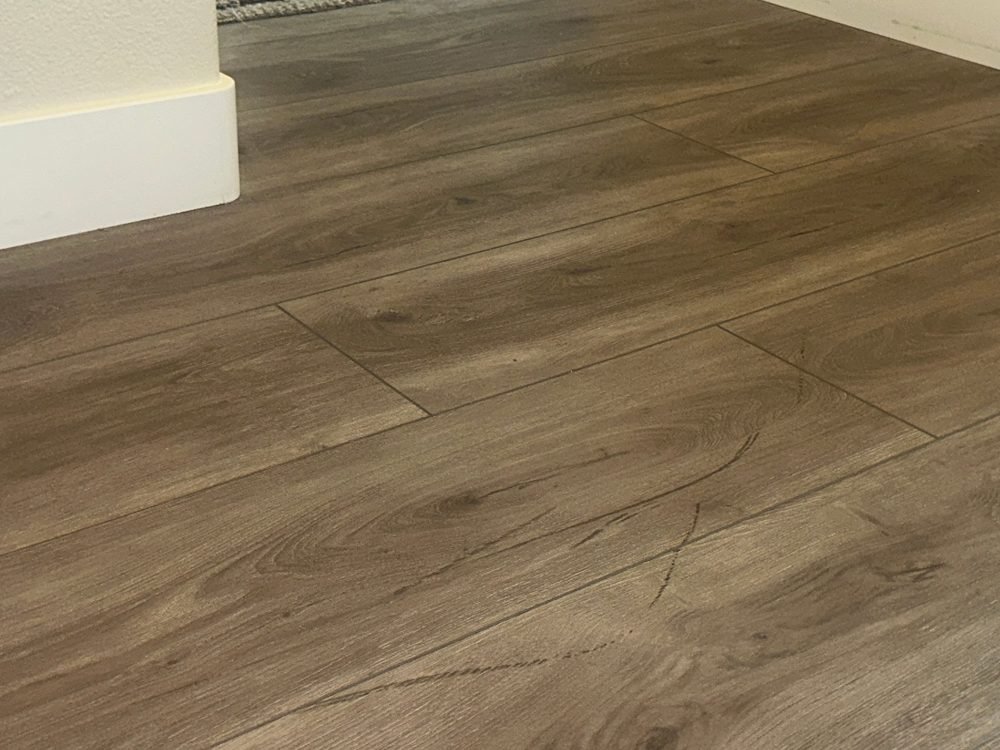
6Interior floorScratched floor planksFinishesWorkmanship / Maintenance

3–6Item detail

Item 1Water heater relief line, vent joints and expansion tank support
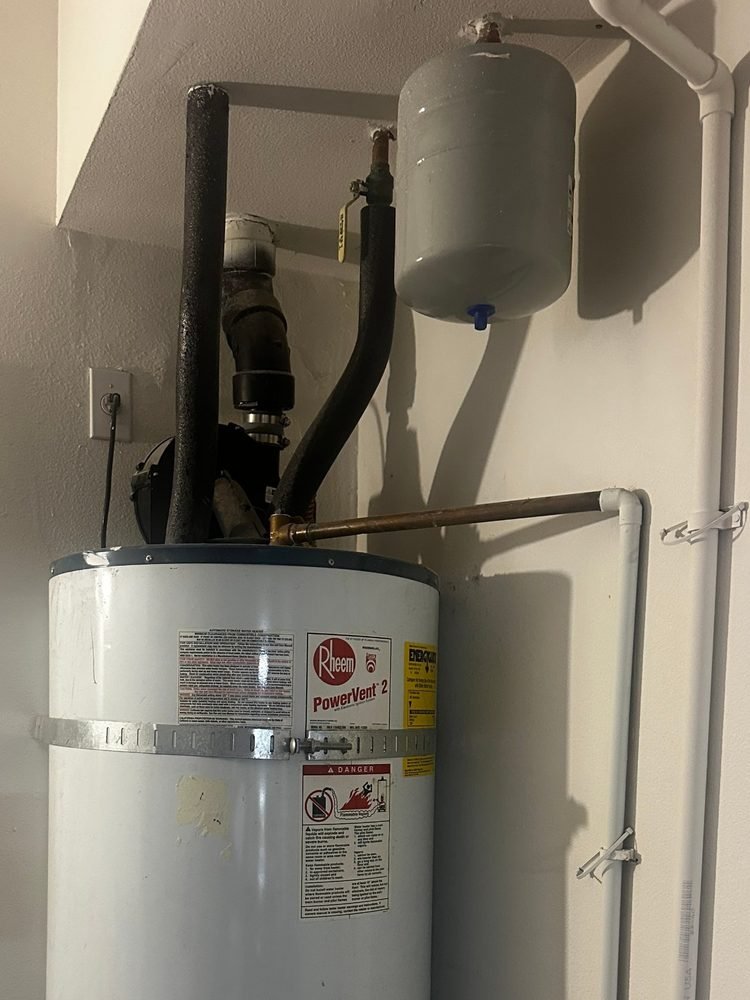
Recommended Review Trade: Plumbing and gas Location: Water heater closet Photo: 0412
Gas water heater in a closet with a copper relief line turning into white plastic pipe, an expansion tank hanging from the piping and a plastic vent
Photo 04129:14 a.m. · Item 1. Site photograph.

Observed. A Rheem PowerVent 2 gas water heater stands in a closet. Two seismic straps are installed. The relief valve line leaves the top of the tank in copper and turns down the wall in white plastic pipe. A second white pipe on the same wall is printed ASTM D1785, the standard for PVC pipe. The expansion tank hangs from the water piping with no separate support. The vent changes from black to white plastic fittings below the ceiling, with dark staining at the upper fitting.

Why it may matter. The relief line carries scalding water if the valve opens. The plumbing code requires its material to be rated for the system temperature. PVC is generally limited to about 140°F. A full expansion tank is heavy. The manufacturer's instructions govern how it is supported and how the vent is joined.

Typical correction. Replacing any discharge pipe not rated for the temperature, supporting the expansion tank and correcting vent joints as the instructions require.

Suggested next step. Have a licensed plumber review the relief line, the expansion tank and the vent before your contingency period ends. Ask the seller for the installation date and the permit.
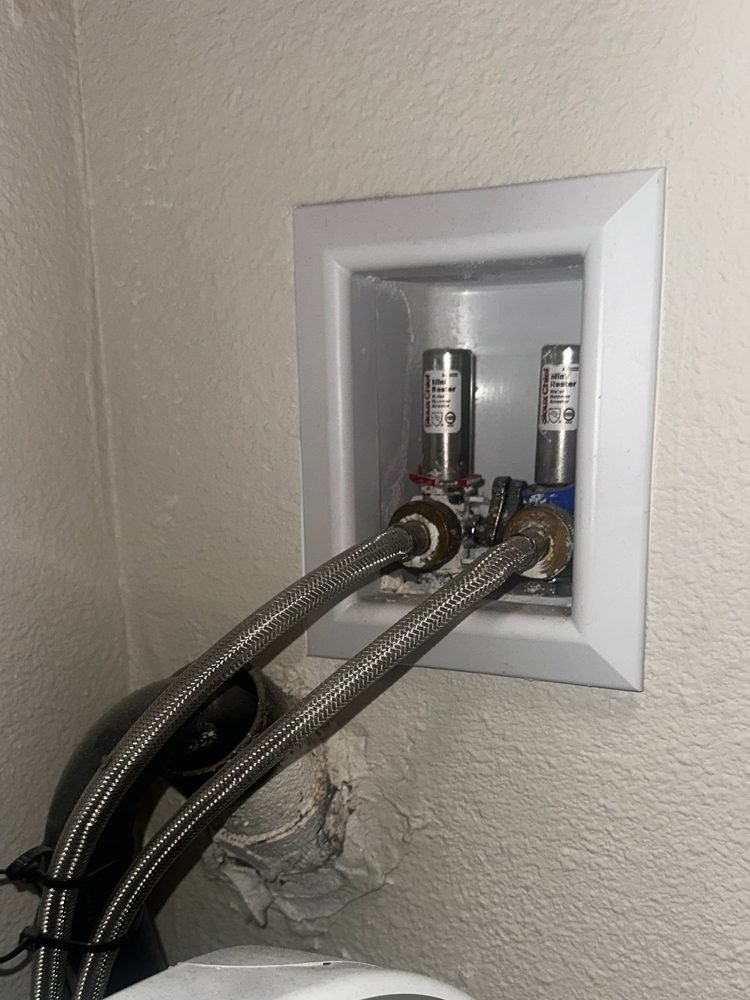
Item 2Corroded washer valve connections and an open wall at the drain

Recommended Review Trade: Plumbing Location: Laundry, washer box Photo: 0436
Recessed washer box with corroded valve connections and braided hoses above a drain pipe in a rough opening in the drywall
Photo 04369:31 a.m. · Item 2. Site photograph.

Observed. The recessed washer box has hot and cold quarter-turn valves with water hammer arresters and braided stainless hoses. White mineral crust and green and brown corrosion cover the valve outlets and hose fittings. Below the box, the washer drain hose enters a drain pipe through a rough, unfinished opening in the drywall. The patch around the pipe is broken and stained.

Why it may matter. Mineral crust and corrosion at connections often point to slow leaks, past or present. An open wall around the drain lets water reach the wall cavity without being seen.

Typical correction. Replacing corroded fittings or valves as needed and finishing and sealing the wall around the drain pipe.

Suggested next step. Ask the seller about past leaks at the laundry. Have a licensed plumber check the valves, the connections and the drain before your contingency period ends.

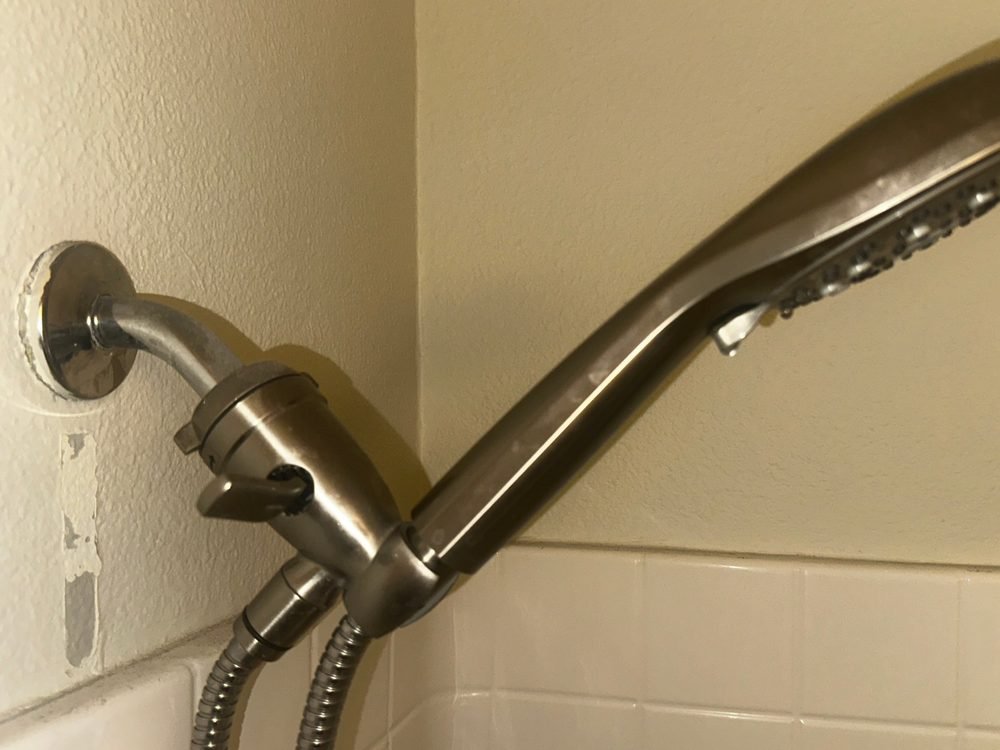
Item 3Painted drywall inside the shower and an unsealed shower arm opening

Workmanship / Maintenance Trade: Waterproofing Location: Bathroom, shower Photo: 0458
Hand shower on a shower arm above the tile line, with peeling paint and a chipped opening around the arm flange
Photo 04589:47 a.m. · Item 3. Site photograph.

Observed. The tile ends below the shower head. The wall above the tile, inside the shower, is painted textured drywall. Paint is peeling and a gray patch is exposed below the shower arm. The drywall around the shower arm flange is chipped and the flange is not sealed to the wall.

Why it may matter. Water that gets behind the flange or the peeling paint can reach the framing without showing.

Typical correction. Sealing the shower arm flange and repairing the peeling paint.

Suggested next step. Routine correction by the seller or a contractor.

Item 4Gap between the drywall and a receptacle cover plate

Workmanship / Maintenance Trade: Electrical Location: Interior wall, near the baseboard Photo: 0471
Duplex receptacle with a white cover plate and a ragged drywall gap showing along one side of the plate
Photo 04719:58 a.m. · Item 4. Site photograph.

Observed. The drywall opening around a duplex receptacle is cut larger than the cover plate. A ragged gap shows along one side of the plate, open to the space around the box.

Why it may matter. The electrical code limits gaps around a box in a drywall wall to 1/8 inch. Oversized cuts like this often appear where boxes were moved or replaced during a renovation.

Typical correction. Repairing the drywall so the gap at the box is no more than 1/8 inch, then reinstalling the plate.

Suggested next step. Routine correction by the seller or a contractor. Check the other receptacles in the renovated rooms for the same condition.

Item 5Torn window screen and debris in the sill track

Workmanship / Maintenance Trade: Windows Location: Upstairs window Photo: 0489
Window insect screen with several tears and holes, with dirt in the sill track below
Photo 048910:06 a.m. · Item 5. Site photograph.

Observed. The insect screen at an upstairs window has several tears and holes. The mesh is stretched and dirty. Dirt and debris sit in the sill track.

Why it may matter. A torn screen lets insects in. Debris in the track can make the window harder to operate and can block the drainage openings in the frame.

Typical correction. Rescreening and cleaning the sill track.

Suggested next step. Routine correction by the seller. Check the screens at the other windows.

Item 6Scratches across several floor planks

Workmanship / Maintenance Trade: Finishes Location: Interior floor, near a doorway Photo: 0503
Wood-look plank flooring with curved scratch marks across several planks near a baseboard
Photo 050310:15 a.m. · Item 6. Site photograph.

Observed. Several wood-look floor planks near a doorway have curved scratch marks across the surface, consistent with something dragged across the floor. The plank joints appeared tight.

Why it may matter. Scratches in laminate or vinyl plank flooring usually cannot be sanded out. Repair usually means replacing planks, which depends on finding matching material.

Typical correction. Replacing the damaged planks with matching material.

Suggested next step. Ask the seller for the flooring product name and any leftover planks.

Professional Construction Consultants, Inc. Illustrative sample · property not identified
Before You Call

What to Gather Before You Call

You do not need all of these to contact PCC.

Please wait for PCC's instructions before sending documents.

  • The listing link
  • Your contingency deadline
  • The areas that concern you
  • Your home inspection report, if you have one
  • Your agent's contact
How It Works

How a Flipped & Renovated Home Inspection Runs

  1. Intake & independence check: the address, your deadline, the listing and the trades you want us to focus on, plus your home inspection report if you have one. We check for relationships with the seller, the listing agent and the renovation contractor.
  2. Agreement: the scope in writing, with visit availability confirmed against your deadline.
  3. Site visit: a visual, noninvasive review of the readily accessible renovation areas with time-stamped photographs, arranged through your agent.
  4. Review & report: we review our photographs and notes after the visit and deliver the written report. If a question can only be answered on site, a follow-up visit is available.
  5. Report review call: we go through the report with you. Questions are welcome for 14 days after delivery.
  6. After closing (optional): permit records research, as a separate service.
Frequently Asked

Flipped & Renovated Home Inspection: Quick Answers

Is it safe to buy a flipped house?

It can be, if you know what was done and how. A flip often looks finished while the work behind the finishes is unknown: wiring, plumbing, waterproofing and permits. Have a general home inspection, have the renovation work reviewed and ask the seller for permits and contractor information before your investigation period ends.

Is a regular home inspection enough for a renovated or flipped house?

A general home inspection covers the whole home at a general level. This inspection concentrates on the renovation: electrical, plumbing, gas, waterproofing, structural and window work, plus other safety items, with potential building code and safety concerns sorted into six categories. When you have a home inspection report, every PCC report includes a section comparing what we found with what that report states.

I'm buying from overseas or sight unseen. How is the renovation work checked?

You do not need to travel. Your agent arranges access, we work with you by email and the report is written in English with time-stamped photographs. We coordinate calls across time zones.

Can foreigners buy a house in California and can you inspect it if I live abroad?

Yes. California law lets any person, regardless of citizenship, buy and hold real property (Civil Code section 671). Financing, tax and title questions are for your agent, lender and attorney. Our part is the property itself: we review the renovation work on site and send you a written photo report wherever you live.

Do home inspectors check for permits?

A general home inspection does not necessarily include permit research. Our report lists the work that typically requires permits and the documents to request from the seller. Permit and inspection records may be available online or by request. Obtaining copies of building plans can involve additional permissions and processing time. Availability and timing vary by jurisdiction and record type. Request available records early; some may not arrive before your investigation deadline. After closing, we can request them for you as a separate service.

What should I ask the seller or flipper for before closing?

Ask for permits, approved plans, final inspection records, contractor names and contracts, warranties and HOA approvals. If the seller accepts an offer within 18 months after taking title to a single-family home, Civil Code section 1102.6h requires the seller to disclose work done by contractors it hired and to give you copies of the permits it obtained (offers accepted on or after July 1, 2024).

Can this be done within my 17-day investigation period?

Often, but it depends on availability. Contact PCC with the property location and your deadline. The standard C.A.R. Residential Purchase Agreement generally provides 17 days after acceptance for the buyer's investigation contingency, unless the parties agree otherwise. Your signed agreement and any amendments control. Confirm your deadline with your real estate agent.

Do you work outside Orange County?

Yes. Orange County is our home market. We also work on site across Los Angeles and San Diego counties, the Inland Empire and the Coachella Valley; elsewhere in California by arrangement.

What happens after I receive the report?

We schedule a call to review it with you. You can send questions about the report within 14 days of delivery. If a question needs a second look at the property, a follow-up visit is available as an additional service. If you buy the home, we can request the permit records for you as a separate service. PCC does not perform repairs. You contract directly with licensed contractors of your choosing.

This page is general information, not legal or real estate advice. PCC is a construction consulting firm, not a law firm or a real estate broker. Talk to your agent and attorney about how the findings affect your purchase.

From PCC Insights

Related Reading

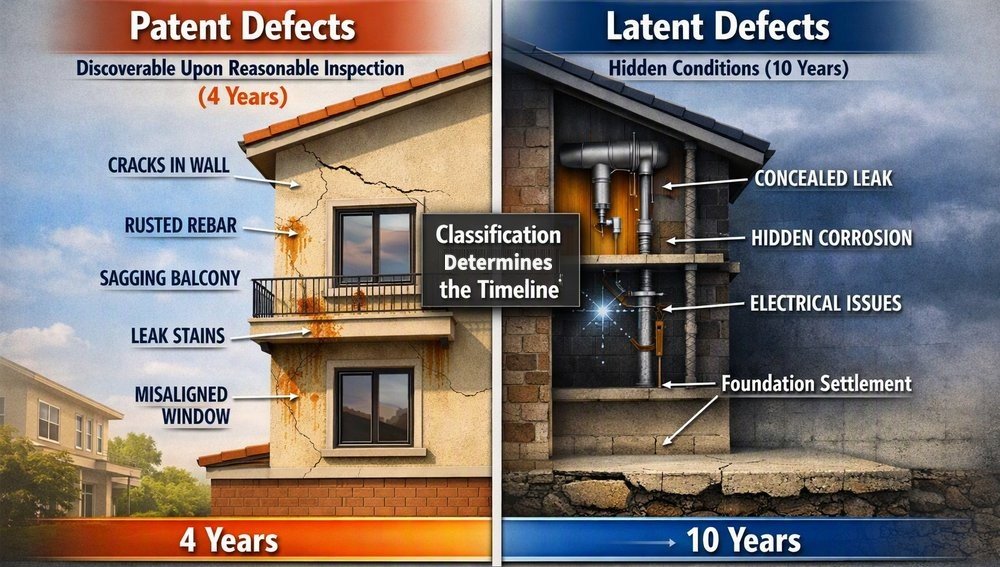
Diagram comparing visible patent defects (4-year limitations period) against hidden latent defects (10-year limitations period)
State Guides

Patent vs. Latent Defects: What a Reasonable Inspection Would Reveal

Why what can be seen at the time of purchase matters later and how an investigator documents it.

Read the article →
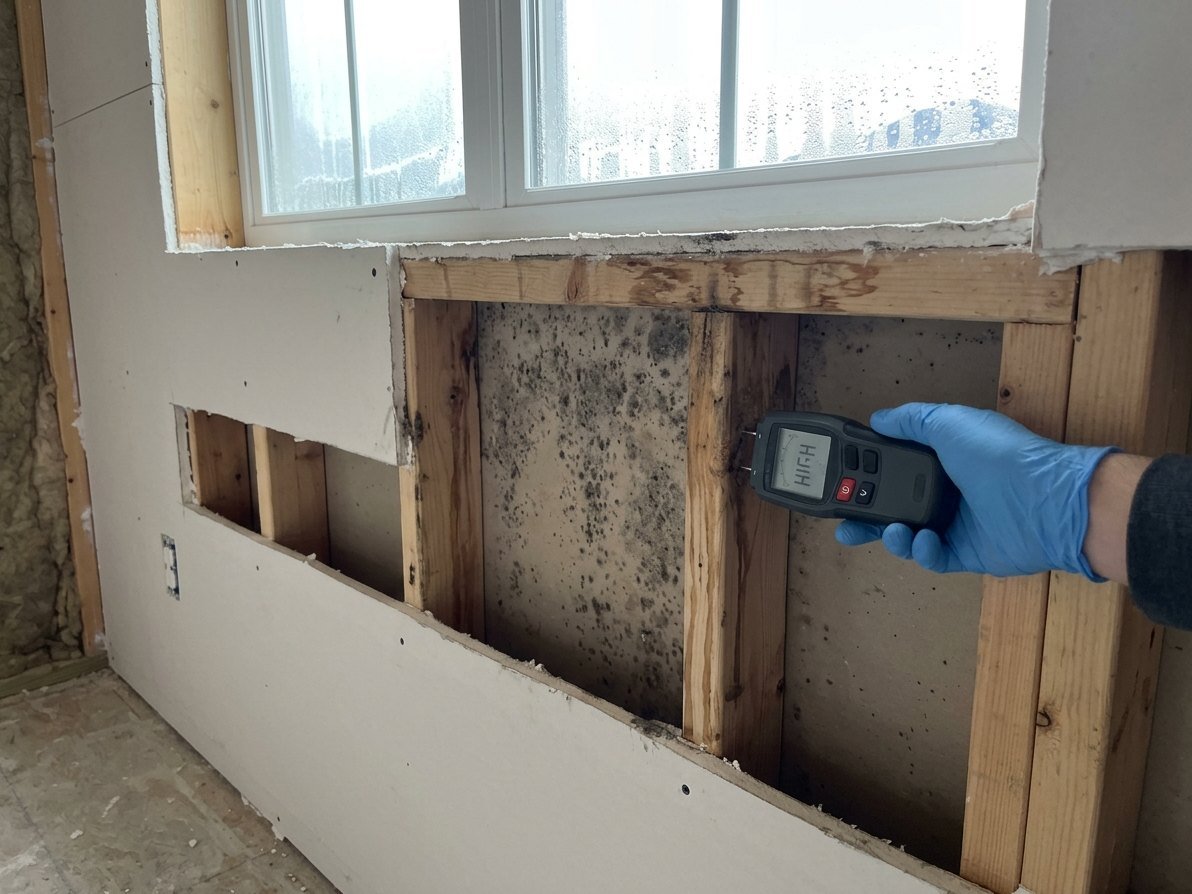
Investigator taking a moisture meter reading at the lower corner of an exterior bedroom wall below a window with a small inspection opening cut in the drywall
State Guides

Mold in a New Home: When Is the Builder Responsible in California?

How water gets into newer homes through windows, decks, roofs and showers. How the source gets traced.

Read the article →
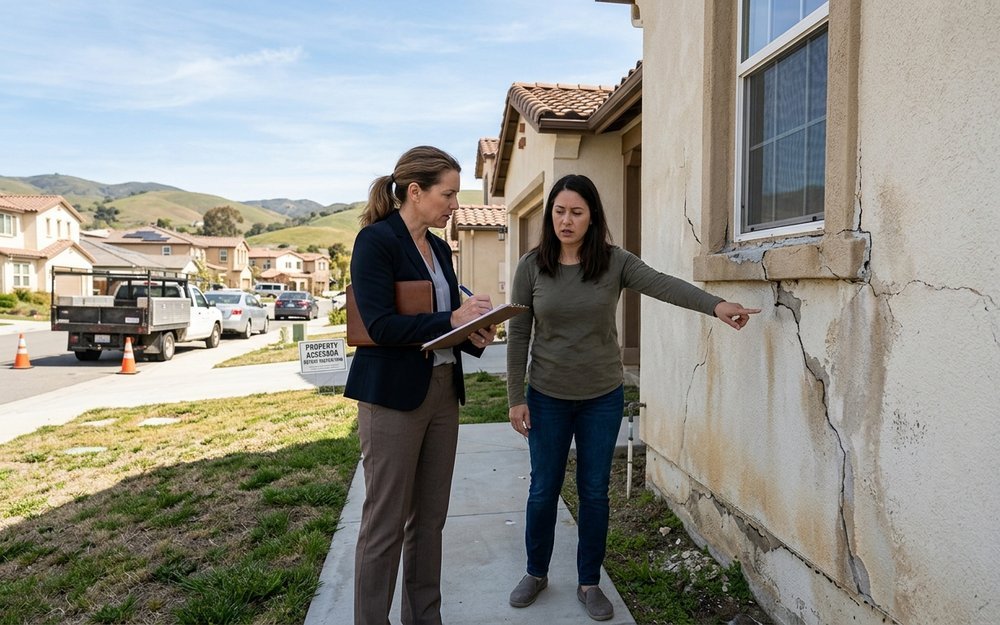
Consultant and homeowner examining a cracked stucco wall during a site inspection
State Guides

Five Things to Establish Before a California Construction Defect Claim

What to document first if problems with renovation work show up after you buy.

Read the article →
Flipped & Renovated Home Inspection

Buying a flipped or renovated home you haven't seen in person?

Send the listing link, your investigation deadline and your home inspection report if you have one. We respond to inquiries within one business day.