
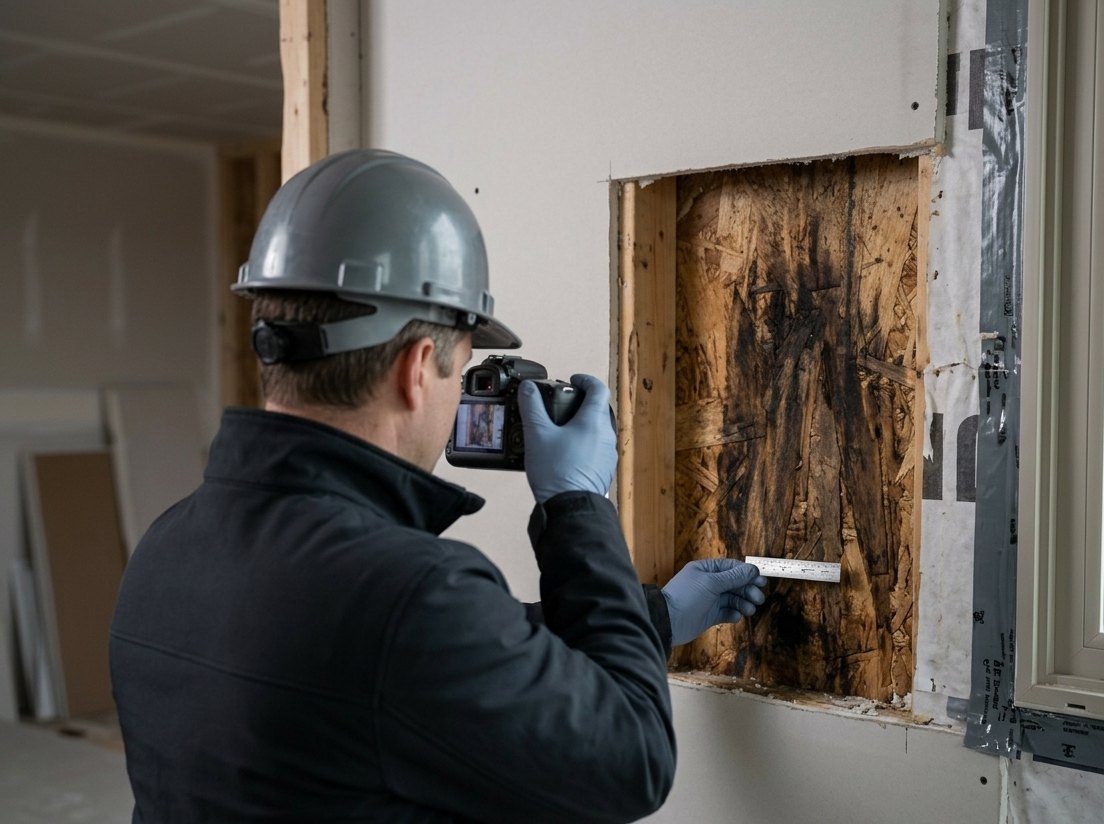
Expert Witness Process
When to Retain a Construction Expert: Before the Evidence Changes
What can still be documented at each point after a problem is discovered.
Read the article →The right starting point when you need to know what went wrong with the construction and why: a leak that keeps coming back, cracked finishes, a failed waterproofing assembly or work that does not match the plans. For owners, HOA boards, attorneys and insurers.
A defect investigation looks at three questions: what condition exists, what likely caused it and when it likely began. PCC observes the site and reviews the plans, specifications and project records. It then compares the work with the drawings, the manufacturer's instructions and the construction practice in place when it was built. The report states what the evidence supports and what it does not.
Site visits, plan and specification review and the project records, compared with how the work was actually installed.
Windows, doors, roofs, decks, balconies and wall assemblies. For leaks, see water intrusion investigation.
What was repaired and when, whether the condition came back and why the earlier repair did not hold.
Where to open, what to record and a photo record of each opening. Openings are made by a licensed contractor you hire.
Conditions compared with the code in effect when the work was built. Observations and opinions, never a code certification.
Whether replacement finishes can match the existing ones, which often decides how far a repair has to extend.
Each investigation ends in a written report by the person who did the field work. It covers:
For a matter in litigation, the form of the report is agreed with counsel before it is written.
PCC investigates and reports. Some parts of a defect matter belong to other licensed professionals:
Our principal does the work himself, from the first site visit to the final report. He brings more than 35 years in architecture and construction and began working in construction forensics in 2012, producing repair cost estimates and analysis used in construction defect litigation.
Where a question calls for an engineer or a testing firm, PCC helps define the work and the client or counsel retains the firm under its own contract and license.
How an investigation typically runs. This is an illustration, not a specific client matter.
You do not need all of these to contact PCC.
Please wait for PCC's instructions before sending documents.
An investigation of a reported building condition: what is wrong, what likely caused it and when it likely began, as far as the evidence supports. PCC observes the site and reviews the plans, specifications and project records. It then compares the work with the drawings, the manufacturer's instructions and the construction practice of the time. The result is a written report of findings.
Property owners, HOA boards, developers, attorneys and insurance carriers. Owners and boards usually want to know what to repair and whose work the condition traces to. Counsel and carriers usually need the findings for a claim or a dispute. In litigation PCC is normally retained through counsel.
PCC writes the protocol and observes. Openings are made by a licensed contractor the client hires and any water testing, sampling or laboratory work is done by a qualified testing firm. PCC records each opening and test and uses the results in its findings.
No. PCC is not an engineering firm. Structural, mechanical, electrical, plumbing and soils questions go to the matching licensed engineer, retained by the client or by counsel. PCC can help define what the engineer is asked to look at.
A defect investigation answers what happened and why. Expert witness support adds the work a dispute needs, such as early case assessment, review of the other side's reports and support for counsel through discovery. Many matters start as an investigation and move into litigation support later.
As soon as the condition is found and before repairs cover it up. Evidence changes once repairs begin. If a repair cannot wait, take dated photographs first and keep any materials that are removed. California sets time limits on defect claims; counsel can advise on how they apply.
Yes. PCC works directly with homeowners on construction-defect and water-intrusion investigations, site observations and renovation advisory assignments. For dispute-related work, your attorney may also retain PCC.
Contact PCC with the property location and your timing needs.
PCC is a construction forensics and construction management firm, not a law firm or an engineering firm.
What can still be documented at each point after a problem is discovered.
Read the article →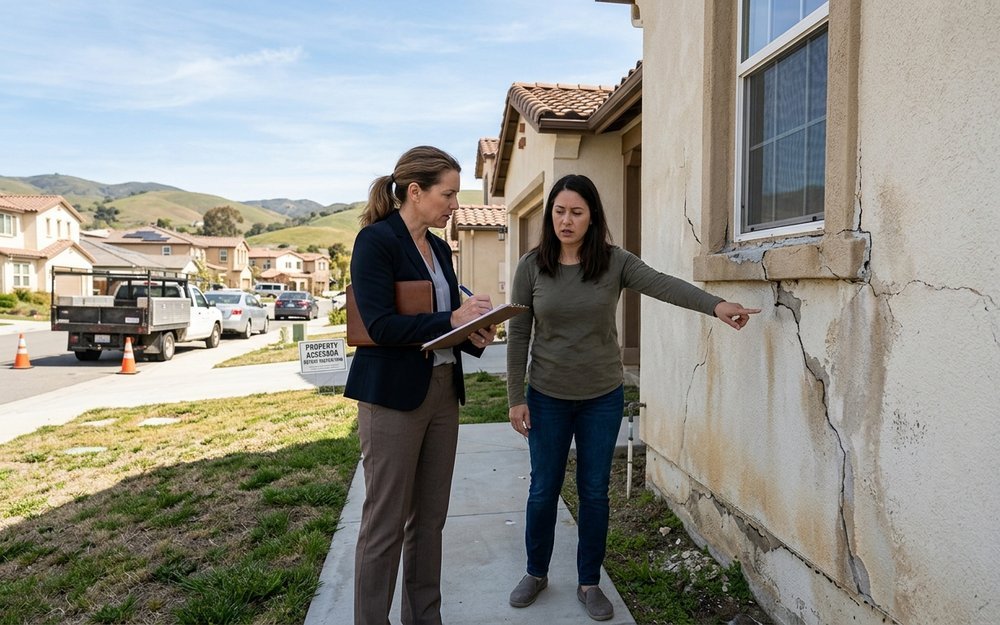
What the investigation should establish before a claim goes forward.
Read the article →
Why a named, repeatable test method gives a finding its weight.
Read the article →Tell us what you are seeing, where and how long it has been happening. We respond to inquiries within one business day.