
State Guides
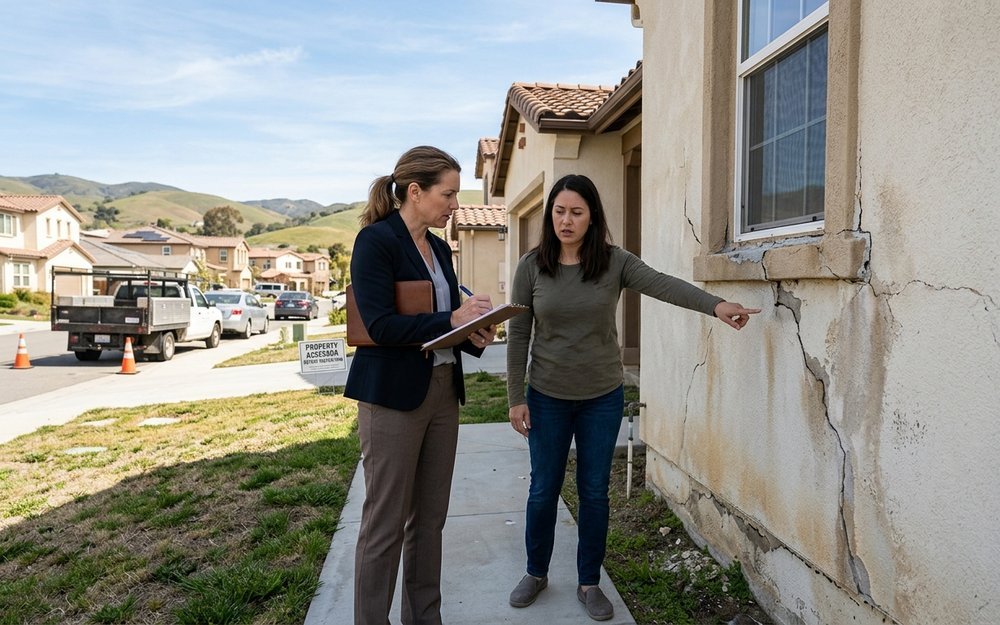
Five Things to Establish Before a California Construction Defect Claim
The physical cause, the dates, visibility, who built it and whether the evidence is preserved.
Read the article →Consulting expert work for California construction defect matters: we investigate what was built, what failed, why and when. Then we give counsel the technical record a claim or a defense is built on.
Most construction defect cases are won or lost on facts that have to be gathered from the building and the project record: what the plans required, what was actually installed, when it was finished and what it would cost to fix. Our consulting work gives counsel those facts early, while they can still shape the strategy.
A first read on the construction issues, the likely causes, the records that matter and what the investigation will need.
Site inspection, photographs, sampling and a written destructive testing protocol the other parties can review.
Claimed conditions checked against the Right to Repair Act's performance standards and documented before the builder's inspection where possible.
The work measured against the plans, specifications, manufacturer's instructions and code in effect when it was built.
A repair scope and line-by-line estimate tied to the defects found, with betterment and code upgrades separated out.
A close read of the other side's expert reports for method, basis, alternative causes and cost, with questions for counsel.
Counsel decides how the law applies. These are the rules that shape the construction work behind a California defect claim:
For the state overview, see our California construction law guide.
Most of our work is as a consulting expert: investigating, analyzing and advising counsel so the case is built on a sound technical record. When a matter needs a designated testifying expert, we discuss at the outset which professional is qualified for each opinion, for example a licensed engineer where the opinion is an engineering one. Then we set up the file for that role from day one.
How notes, drafts and communications are handled depends on that decision, so it is worth making early. See what PCC recommends for consulting and testifying engagements.
Our principal has worked in construction forensics since 2012, producing repair cost estimates and analysis used in construction defect litigation. That work sits on more than 35 years in architecture and construction, including construction management, construction administration and owner's representation. Knowing how buildings are actually designed, bid and built is what lets a consultant tell a real defect from a normal construction tolerance and a real repair cost from an inflated one.
We also investigate specific building failures in depth. See water intrusion investigation and SB 721 and SB 326 balcony inspections.
A consulting expert works for counsel behind the scenes. The work usually covers an early read on the construction issues, site investigation and evidence preservation, a destructive testing protocol, standard of care and code review, repair scope and cost and review of the other side's expert reports. It gives counsel the technical facts needed to value, prove or defend the claim.
A consulting expert advises counsel and is not listed to give opinions at trial. A testifying expert is designated in the expert witness exchange under Code of Civil Procedure section 2034.210 and following and can be deposed. Counsel decides whether and when a consultant is designated and how work product protection applies. Setting the role early shapes how notes, drafts and communications are handled.
After the initial trial date is set, any party may demand a simultaneous exchange of expert witness information. Under Code of Civil Procedure section 2034.230 the exchange date is 50 days before the initial trial date or 20 days after service of the demand, whichever is closer to trial, unless the court orders otherwise. The investigation that supports an opinion has to be done well before then.
Evidence Code section 720 requires special knowledge, skill, experience, training or education on the subject. Section 801 limits expert opinion to subjects beyond common experience and requires it to rest on matter of a type an expert may reasonably rely on. California courts act as gatekeepers and can exclude opinions that are speculative or not supported by their basis, as the California Supreme Court held in Sargon Enterprises v. University of Southern California (2012). An opinion is only as strong as the investigation and records behind it.
Early, before repairs, demolition or the other side's inspection change the evidence. On a claim under California's Right to Repair Act (SB 800), that means before the builder's inspection and repair offer if possible, so the conditions are documented independently.
Yes. PCC is retained by plaintiff and defense counsel, insurance carriers, HOA boards and property owners. Every engagement starts with a conflict check. No case facts should be sent until the check clears.
This page is general information, not legal advice. It does not create an attorney-client or expert-client relationship. PCC is a construction forensics and construction management firm, not a law firm. Confirm how any rule applies to a specific matter with counsel.
The physical cause, the dates, visibility, who built it and whether the evidence is preserved.
Read the article →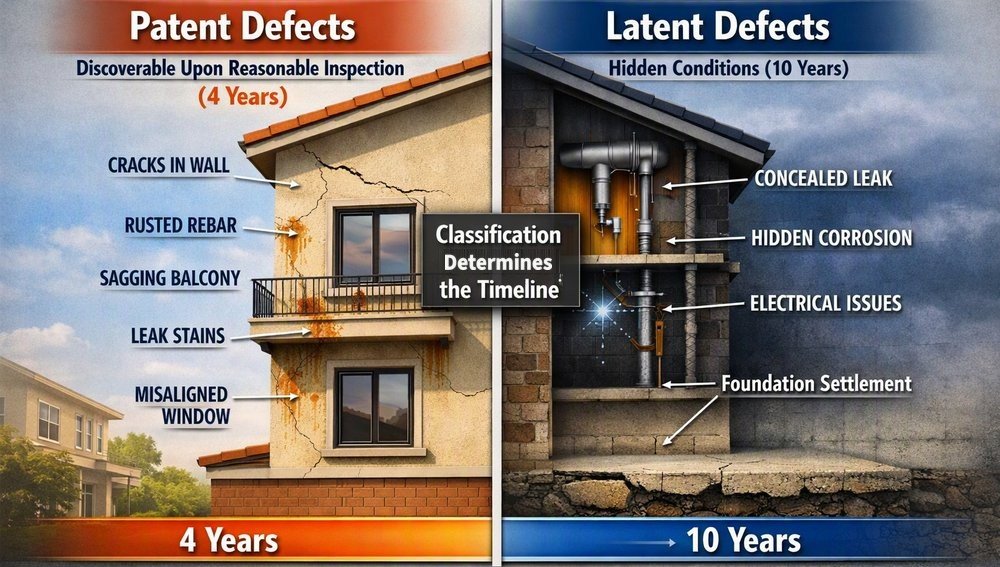
How an investigator documents what a reasonable inspection would have revealed and when.
Read the article →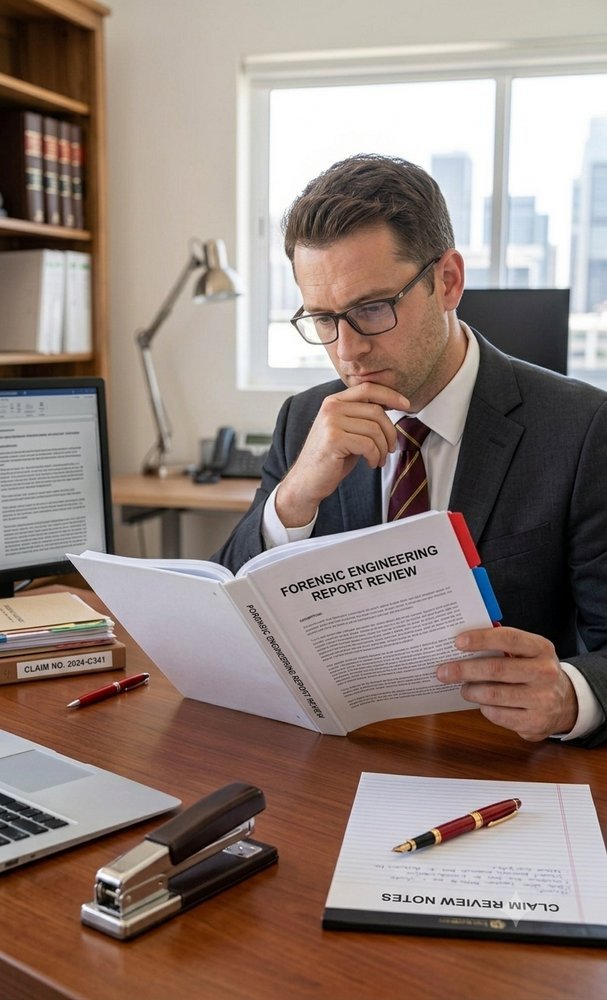
Five checks for whether a report shows its work well enough for a reader to tell.
Read the article →All submissions are held in strict confidence and reviewed within one business day. Start with a conflict check.