
Methodology
Why ASTM Standards Matter in a Forensic Construction Investigation
The test methods behind envelope, waterproofing and moisture findings and why a named method gives results their weight.
Read the article →For attorneys, insurance carriers, HOA boards and property owners: we find where water gets in, why the assembly failed and how long it has been happening, document it to recognized ASTM methods and turn the findings into a repair scope that can be bid and built.
Water rarely shows up where it gets in. A stain on a ceiling can start at a window two floors up, a roof-to-wall joint or a plumbing line inside the wall. Replacing the finish without finding the path only repeats the loss. Our investigation traces the water back to its entry point, explains why the assembly let it through and puts that on the record in a form that holds up to scrutiny.
Following the water from the damage back to the entry point, through the drawings, the construction history and the building itself.
Testing to ASTM E1105, AAMA 501.2 and ASTM D5957, performed with an independent testing agency we coordinate, so the leak is reproduced under a named method.
Located moisture readings and infrared screening to show how far the water has traveled and where to look next.
Where the question calls for it, openings made to a written protocol and photographed layer by layer: cladding, barrier, flashing, sheathing and framing.
Whether the failure is design, installation, material or maintenance. How long the water has been getting in, bracketed from the physical evidence and the records.
A repair scope written from the findings, cost estimates and oversight of the repair through closeout.
Most building leaks start at a transition, where two materials, two trades or two systems meet. These are the places we look first:
ASTM E2128, the standard guide for evaluating water leakage of building walls, sets out the sequence we follow. We review the design and construction documents and the building's service history, inspect the walls and their water management features, test to reproduce the leak and then analyze the cause. Doing it in that order keeps the testing targeted and the conclusions tied to evidence.
For more on why a named method matters in a dispute, see why ASTM standards matter in a forensic construction investigation.
Finding the leak is half the job. The other half is the question the claim turns on: why it happened and since when. We separate design problems from installation errors, product failures and missed maintenance. Then we tie each one to the drawings, the manufacturer's instructions and the code in effect when the work was built.
Timing matters to coverage and to deadlines. Wood moisture content, decay, fastener corrosion, staining patterns, mold growth, weather records and the building's service history help bracket how long water has been getting in. Whether a condition was visible on a reasonable inspection can decide which time limit applies. See patent vs. latent defects for how that question is documented in California.
Our principal has worked in construction forensics since 2012, producing repair cost estimates and analysis for construction defect matters, after years managing construction on the building side.
A leak repair fails when it treats the symptom. We write the repair scope from the findings, estimate its cost line by line, review contractor bids against it and oversee the work in the field. Where it makes sense, the repaired area is water tested before it is covered up, so the fix is proven before the finishes go back on.
For HOA boards and owners, that is owner's representation through the repair. For attorneys and carriers, it is a repair scope and cost that trace back to the evidence. For more on that role, see what an owner's representative does and what it costs.
Water evidence changes fast. Drying, demolition and repairs can erase the path before anyone documents it. If a claim is possible, call before the materials are removed.
It is a forensic investigation that finds where water is entering a building, why the assembly failed and how long it has been happening. It combines a review of the drawings and construction records, a site inspection, moisture mapping, field water testing where needed and, when the question calls for it, controlled openings to see the assembly layer by layer. The result is a written report that ties the leak to its cause and a repair scope that fixes it.
ASTM E1105 is the standard field test method for water penetration of installed exterior windows, skylights, doors and curtain walls. A chamber on the interior side creates an air pressure difference while water is sprayed on the exterior at a specified rate and the interior is watched for leakage. It shows whether the unit and its installation keep water out under conditions similar to wind-driven rain.
AAMA 501.2 is a field water check for installed storefronts, curtain walls and sloped glazing that uses a calibrated hose nozzle along the joints, without a pressure chamber. It is well suited to finding the joint that leaks. ASTM E1105 adds an air pressure difference and a uniform spray over the test area, which is closer to wind-driven rain. The right test depends on the system and the question being asked.
Often it can bracket the timing, though usually as a range rather than a date. Wood moisture content, decay, fastener corrosion, staining patterns, mold growth, weather records and the building's repair and service history all help. A good report says what the physical evidence supports and where it cannot be more precise.
No. Infrared shows surface temperature differences that may point to moisture, but many things cause temperature differences. Infrared is a screening tool. Findings are confirmed with moisture meter readings and, where needed, water testing or a controlled opening before anyone relies on them.
Attorneys handling construction defect and property claims, insurance carriers and adjusters, HOA and condominium boards, property owners and developers. PCC is based in California and takes matters across the state and nationwide. Every engagement starts with a conflict check.
This page is general information, not legal advice. PCC is a construction forensics and construction management firm, not a law firm. Test methods are applied as the specific building and question require.
The test methods behind envelope, waterproofing and moisture findings and why a named method gives results their weight.
Read the article →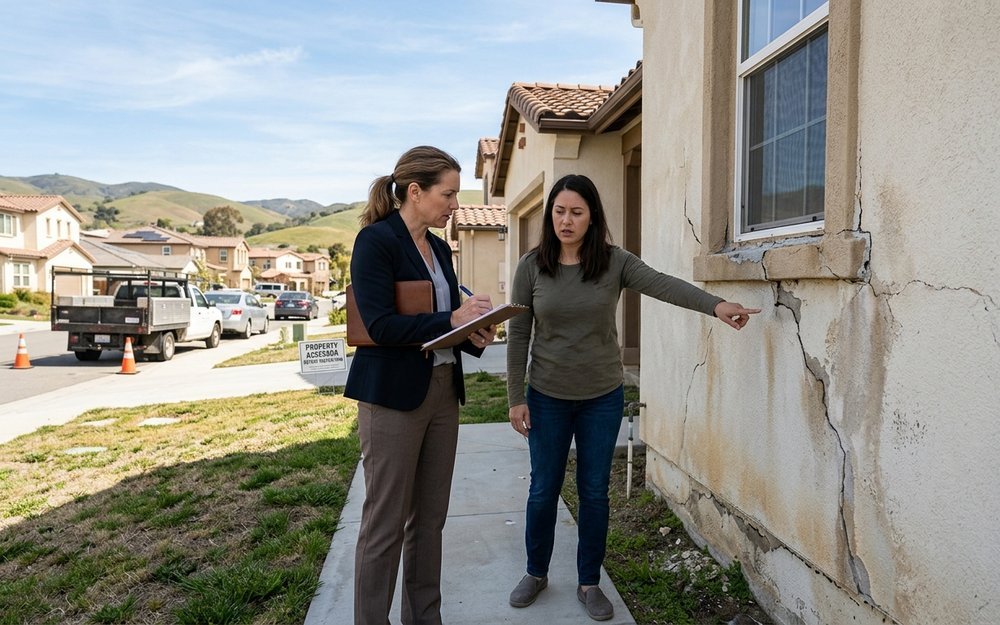
What the investigation should pin down first: the physical cause, the dates, visibility, who built it and the evidence.
Read the article →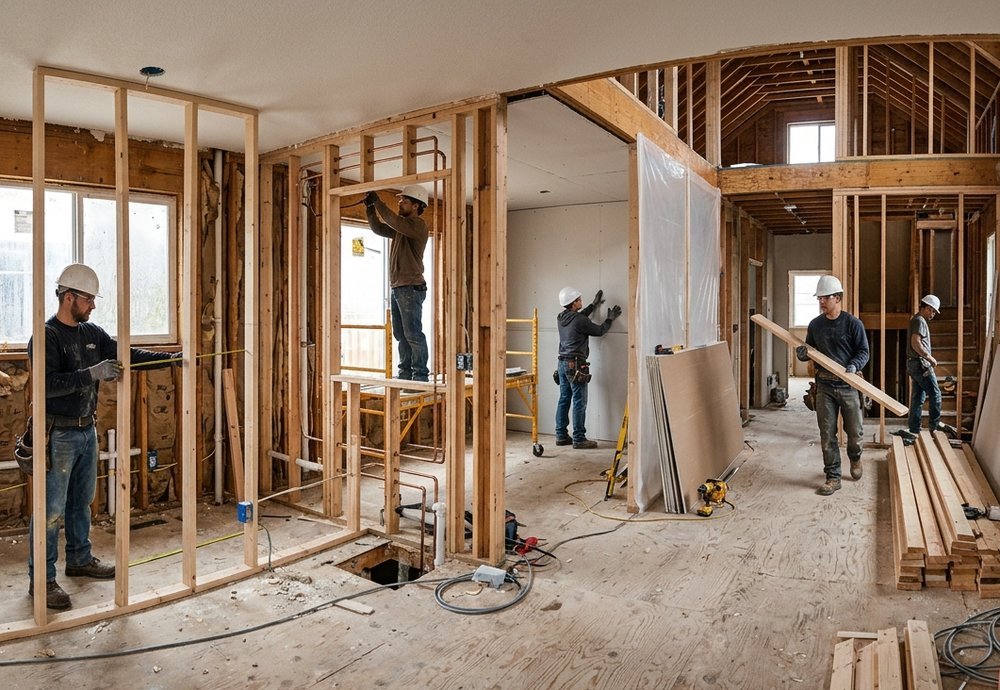
What repair oversight covers once the money is agreed, from leak-path verification to mold clearance.
Read the article →All submissions are held in strict confidence and reviewed within one business day.